
Sharks in Bahamas testing positive for drugs
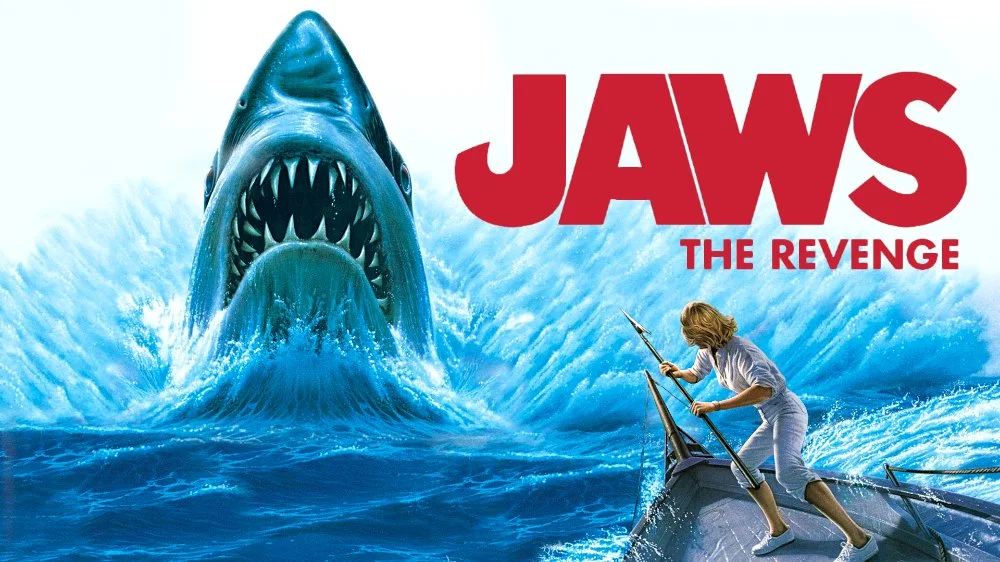
In Jaws: The Revenge, the premise borders on the absurd: a shark, driven by something like vengeance, follows the Brody family from the quiet shores of Amity Island all the way to the Bahamas. It’s a movie built on the idea that the ocean’s most feared predator has a personal grudge—and a long memory.
But in reality, the story playing out in Bahamian waters is stranger, subtler, and arguably more unsettling. The sharks haven’t followed us there. We’ve followed them—and brought something far more insidious along for the ride.
A recent scientific study found that sharks living near Eleuthera Island in the Bahamas are carrying traces of human drugs in their bloodstreams: cocaine, caffeine, and common painkillers.
Not one or two individuals, either. Out of 85 sharks tested, nearly a third contained at least one of these substances.
If Jaws: The Revenge imagined a shark invading human space, this is the inverse: human habits infiltrating shark bodies.
The Real “Revenge” Is Chemical
The Bahamas is often portrayed—both in movies and tourism ads—as pristine, untouched paradise. That illusion is part of what made it the perfect setting for the Brody family’s attempted escape.
But the study reveals that even these seemingly remote waters are saturated with the byproducts of human life.
Caffeine was the most common contaminant, followed by anti-inflammatory drugs like diclofenac and acetaminophen. Cocaine showed up too—albeit in fewer sharks.
These substances don’t appear by magic. Researchers point to wastewater, sewage discharge, and heavy tourist activity as likely sources. Even behaviors as mundane as urinating in the ocean or dumping waste from boats can introduce trace chemicals into marine ecosystems.
And unlike the fictional shark stalking the Brodys, these animals aren’t acting with intent. They’re simply swimming through a chemical soup we’ve created.

Not a Monster—But Not Unchanged
Importantly, scientists didn’t observe sharks behaving erratically or aggressively. There’s no real-world equivalent of a cocaine-fueled great white hunting people across the Caribbean.
But the absence of cinematic chaos doesn’t mean everything is fine.
Sharks with detectable drugs in their systems showed changes in metabolic markers—things like lactate and urea levels—suggesting physiological stress.
That’s the quiet twist: the danger isn’t that sharks will become movie monsters. It’s that they may be slowly, invisibly altered.
A Different Kind of Horror
In Jaws: The Revenge, the threat is singular and visible: one shark, one family, one relentless pursuit.
In the real Bahamas, the threat is diffuse and largely invisible. It’s not one shark behaving unnaturally—it’s an entire ecosystem absorbing the chemical residue of human life.
The irony is hard to miss. The film imagines nature turning on us, following us across the ocean. But the truth is less dramatic and more damning: we’ve already reached the sharks. Our presence—through pollution, tourism, and waste—has followed them into waters we still like to imagine as untouched.
There is no vengeful shark tracking the Brodys to paradise.
There’s just a reminder that even in paradise, the line between human and wild has already dissolved.