
The greatest shark movies of the 21st Century (so far)
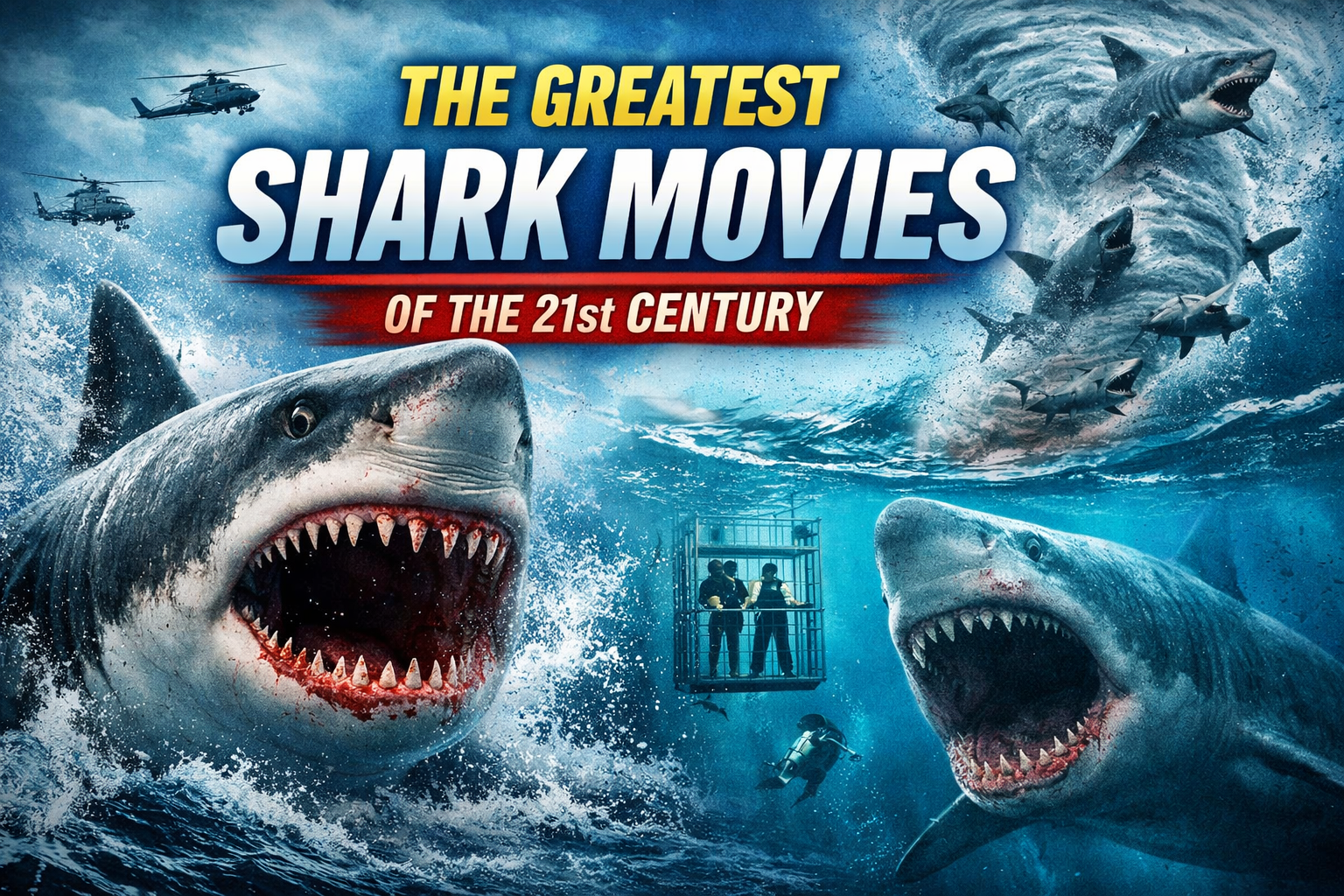
Shark movies occupy a strange and enduring corner of popular culture. Ever since Jaws terrified audiences in 1975, filmmakers have returned again and again to the ocean’s most iconic predator, sometimes with reverence, sometimes with irony, and sometimes with gleeful absurdity. In the 21st century, shark films have diversified dramatically, ranging from tightly wound survival thrillers to knowingly ridiculous spectacles. Together, these movies reveal not only our persistent fear of sharks, but also our evolving tastes as audiences.
One of the most influential shark films of the modern era is The Reef (2010). An Australian production inspired by real events, The Reef strips the genre down to its essentials: a small group of people stranded in open water, stalked by a great white shark. What sets the film apart is its realism. The shark is not a monster with supernatural intelligence, but an animal behaving according to instinct. Long stretches of silence, wide ocean shots, and the sheer emptiness of the sea create a sense of dread that feels grounded and inescapable. In many ways, The Reef is the closest the 21st century has come to recapturing the primal terror of Jaws without imitation.
A similar commitment to realism appears in Open Water (2003). Based on a true story about divers accidentally left behind in the ocean, the film uses minimal effects and a near-documentary style to tell its story. The sharks themselves are not always visible, which paradoxically makes them more frightening. The real horror of Open Water lies less in sudden attacks and more in the slow psychological unraveling of its characters as hope fades. It is a bleak, unsettling film that helped usher in a new wave of low-budget, high-concept survival horror.
That same focus on isolation and survival is taken to a more mainstream level in The Shallows (2016). Featuring a lone surfer trapped on a rock just yards from safety, the film turns a simple setup into an exercise in sustained tension. Blake Lively’s performance, combined with clever use of limited space and time, keeps the story engaging. The Shallows succeeds by making the shark a constant, looming presence while emphasizing human ingenuity and endurance.
More recent entries have pushed the genre into unexpected settings. Under Paris (2024) brings shark horror to an urban environment, imagining a deadly predator lurking beneath the waters of the Seine. By blending environmental themes with disaster-movie spectacle, the film offers a fresh take on the genre. Its premise reflects modern anxieties about climate change and ecological imbalance, showing how shark movies continue to evolve alongside contemporary concerns.
On the opposite end of the tonal spectrum lies The Meg (2018), a big-budget spectacle centered on a prehistoric giant shark, the megalodon. Unlike the restrained films that preceded it, The Meg fully embraces excess. With its globe-trotting action, glossy visuals, and tongue-in-cheek humor, it offers a crowd-pleasing alternative to grim realism. Jason Statham’s stoic hero and the sheer absurdity of an enormous, bus-sized shark make the film more fun than frightening, but its success demonstrates that shark movies can still thrive as blockbuster entertainment.
Another standout is 47 Meters Down (2017), which blends survival horror with claustrophobic tension. Trapping its characters in a shark cage on the ocean floor, the film exploits both the fear of sharks and the terror of suffocation. Its use of limited visibility, dwindling oxygen, and disorienting underwater cinematography creates a sustained sense of panic. While its sequel and imitators varied in quality, the original film proved that a simple premise, executed well, can reinvigorate the genre.
Similarly embracing spectacle, Dangerous Animals adds to the modern wave of heightened, stylized shark thrillers. Rather than aiming for strict realism, it leans into suspense and cinematic intensity, prioritizing entertainment over accuracy. Films like this demonstrate how the genre remains flexible, capable of shifting between grounded horror and heightened drama depending on audience expectations.
No overview of 21st-century shark cinema warns would be complete without acknowledging its lighter side. Shark Tale (2004) represents a radical reimagining of sharks, transforming them from terrifying predators into animated characters in a colorful underwater world. While far removed from horror, the film shows how deeply sharks have penetrated pop culture. Its success underscores the genre’s reach, proving that sharks can just as easily be the subject of comedy and family entertainment.
No discussion of 21st-century shark films would be complete without mentioning Sharknado (2013). While it is objectively far from “great” in a traditional cinematic sense, Sharknado deserves recognition for redefining the cultural role of shark movies. By combining sharks with a tornado and playing the concept completely straight, the film became a viral phenomenon. It embraced camp, absurdity, and self-awareness, spawning multiple sequels and countless imitators. Sharknado showed that shark movies could succeed not by frightening audiences, but by inviting them to laugh along.
What unites these films is their adaptability. Shark movies in the 21st century have proven remarkably flexible, capable of functioning as serious survival dramas, slick action blockbusters, or intentionally ridiculous cult favorites. They reflect both our lingering fear of the ocean and our willingness to reframe that fear as entertainment in many forms.
So far, the greatest shark movies of the 21st century are not defined by a single style or formula. Instead, they succeed by understanding what kind of experience they want to deliver—terror, tension, excitement, or humor—and committing fully to it. As long as the ocean remains vast and mysterious, and sharks continue to fascinate us, the genre is unlikely to disappear. If anything, its evolution suggests that the best shark movies may still be swimming just below the surface.
If you would like to write for The Daily Jaws, please visit our ‘work with us’ page
For all the latest Jaws, shark and shark movie news, follow The Daily Jaws on Instagram, Twitter and Facebook.