
Podcasting JAWS the Right Way: Fair Use Myths, Movie Clips, and Music Licensing Basics
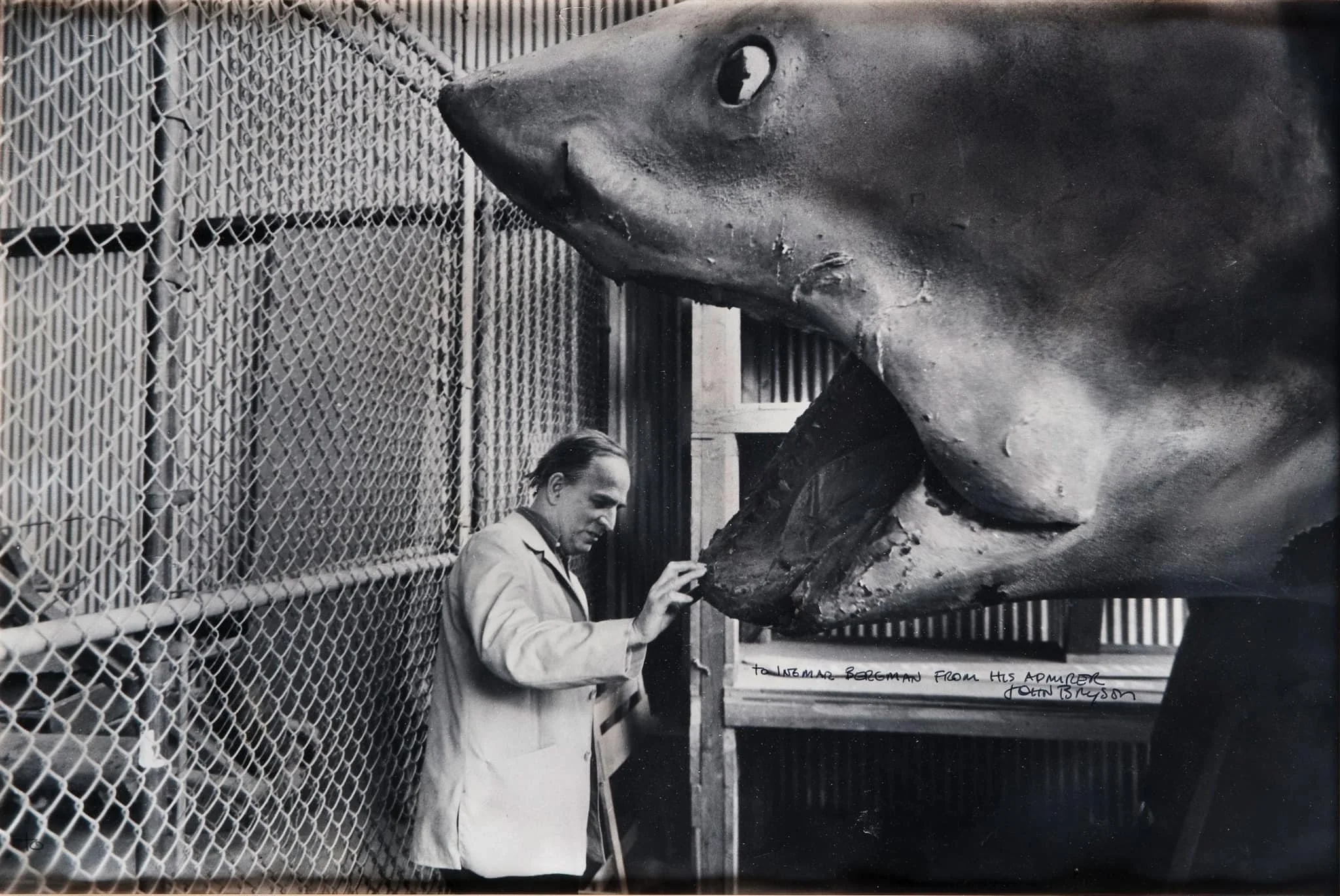
Launching a podcast about movies feels like a dream gig, rewatching your favorites, diving into the craft, sharing your takes with an audience that loves it as much as you do. But if you’re not careful with how you use music, film clips, or even your guest’s voice, that dream can get flagged, muted, or pulled offline faster than you can say “We’re gonna need a bigger boat.”
Using copyrighted content is often misunderstood. You might think you’re covered under “fair use” or that buying a song means you can use it. Spoiler alert: that’s not how it works.
If you’re breaking down JAWS, Dune, or The Godfather, there’s a way to do it that keeps your content compelling and keeps you out of legal trouble. We’re going to walk you through exactly how to structure your episode, use clips the right way (if at all), and plan your show like a pro who’s not interested in cease-and desist letters.
Start with a Plan: Your Episode Workflow = Your Legal Checklist
Before you even hit record, you need a clear game plan. It’s not just about outlining your talking points. It’s about knowing (down to the second) where you’re using music, film clips, or any voice that isn’t yours. Think of it as building your “run-of-show,” the skeleton of your episode. Once you’ve mapped out your segments, you can treat each type of content, i.e., music, film clips, interviews, as its own “rights bucket.” Each one follows different rules, so separating them from the start keeps you sane later. Teaming up with an experienced entertainment and media lawyer can help make sure you’re correctly configured.
If you wait until you’re editing to figure out which content needs permission, you’re already behind. But if you plan it up front, you’ll know where you can be bold, where you need to be careful, and where you should just steer clear altogether.
Let’s Talk Intros: Why Theme Music Is the Fastest Way to Get Flagged
You want your podcast to sound big. So you pick a song with energy. Maybe something familiar. Maybe something legendary, say, the JAWS theme.
That’s where trouble starts.
One of the most misunderstood areas in podcasting is music rights. Buying a song on iTunes? Doesn’t mean you can use it in your show. Streaming it legally? Still doesn’t count. Unless you’ve obtained a proper license that explicitly covers podcast use, you don’t have the right to include that music in your episode.
And famous music? That’s the quickest way to trigger a takedown. Copyright holders for blockbuster themes like JAWS, Star Wars, or Harry Potter are actively monitoring digital content. They don’t hesitate to issue claims, even for a few seconds of audio.
But good news: you’ve got better options. Lots of music libraries offer licenses specifically for podcasts. You can also hire someone to create a custom theme. Or develop a short “sting” or bumper, a unique audio tag you use every episode. That way, you build brand identity without borrowing trouble.
The “Short Clip” Moment: Where Most Film Podcasts Slip Up
So you’re deep into your JAWS episode. You've made your intro clean. Then it’s time to play a scene. Just a little one.
And that’s where most shows mess up.
The classic mistake is dropping in a clean, uncut, 30-second clip from the movie. No breaks, no commentary, just the scene. It’s tempting. It’s also the kind of content that automated systems flag in seconds.
Even sneakier is using a film’s audio as a bed, soft background under your voice as you talk. Maybe it feels subtle, but it’s still unlicensed. Background music or dialogue from a film, even when you’re speaking over it, is a copyright violation if you don’t have rights to use it.
Now let’s talk about fair use, because this is where people start to feel safe. Yes, commentary can be protected under fair use, but it’s not a magic shield. It has to be transformative. That means you’re adding new meaning, critique, or context. Not just playing the scene and saying, “That was cool.”
A good rule of thumb? Clip discipline. Keep your audio snippets short. Break them up. Talk directly about them. And make sure the audience hears you more than they hear the movie.
When Commentary Doesn’t Count and How to Fix That
Fair use gets thrown around a lot in creative spaces. But here’s what most podcasters miss: commentary has to change the meaning of the original material. Simply describing what happened or sharing admiration isn’t enough.
Instead, aim for transformation. What are you adding that didn’t exist in the original? Are you offering a deep dive into Spielberg’s pacing? Are you comparing that one scene to other shark films? Are you analyzing the tension built through score and silence?
If you’re just replaying the scene and reacting, that’s not transformative. That’s repetition. Also, be careful not to take the “heart” of a scene. That’s usually the part copyright holders are most protective of: the line that made the trailer, the emotional payoff, the climactic moment. If it’s what the scene is known for, avoid using it directly.
The goal is to make your voice the product. Your thoughts, your take, your breakdown, that’s the reason someone’s tuning in, not the movie audio.
The Outro: The Most Forgotten Legal Zone in Podcasting
You’ve wrapped your discussion, hit your high notes, and you’re coasting into the outro. That’s when a lot of podcasters make their final mistake.
You loop the music a little longer. You sneak in “one last clip.” You let things run a bit more freely because, hey, the show’s basically over.
But platforms don’t care if it’s the last 60 seconds or the first. If you’re using unlicensed music or dropping in another movie clip to end with a bang, you’re still at risk.
Instead, close clean. A quick recap, a credit or two, and your branded sting. That way, the last impression your audience gets isn’t interrupted by a takedown notice.
Big Traps to Avoid (Even If You’re “Just a Fan Show”)
Even fan-made shows have to follow the rules. Being passionate doesn’t grant you legal protection.
Here are the habits that get flagged most often:
Using film audio as background under your voice. Playing iconic theme music. Running full, uninterrupted scenes. And assuming that “commentary” or “education” automatically makes it fair use.
Intentions matter less than execution. If your episode feels like it’s re-broadcasting copyrighted content, rather than talking about it, you’ve crossed a line.