
JAWS The Revenge: The suprising differences between the book and the movie

When Jaws: The Revenge arrived in cinemas in 1987, it quickly became one of the most controversial entries in the franchise. Critics mocked its premise, fans questioned its logic, and the film's infamous tagline—"This time, it's personal"—became the subject of endless jokes.
What many fans don't realise, however, is that the novelisation by Hank Searls tells a significantly different story. Far from being a simple adaptation of the film, the book expands the plot, develops the characters and offers explanations for several events that are left vague or unexplained on screen.
Here are some of the biggest differences between the novel and the movie.
Ellen Brody's grief takes centre stage
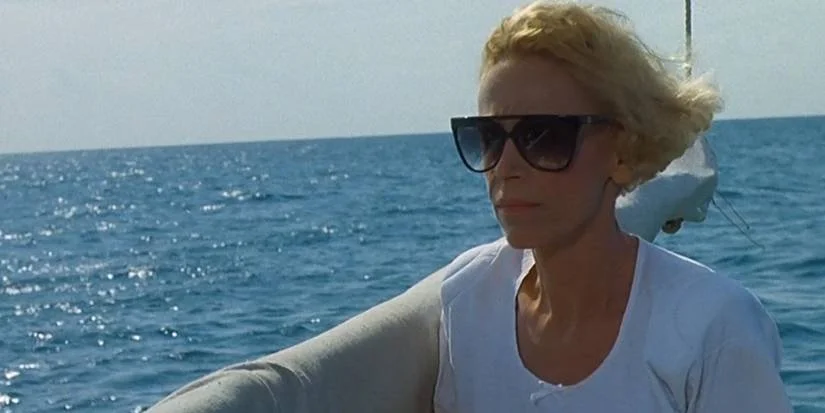
In the film, Ellen Brody's belief that a shark is deliberately targeting her family can seem irrational and abrupt. The movie offers little insight into her mental state beyond a handful of conversations.
The novel spends much more time exploring Ellen's grief following Sean Brody's death and the earlier loss of her husband Martin. Readers witness her shock, anger and growing obsession with the possibility that the Brody family is somehow cursed. This psychological depth makes her actions throughout the story feel more understandable and tragic.
The shark receives its own storyline
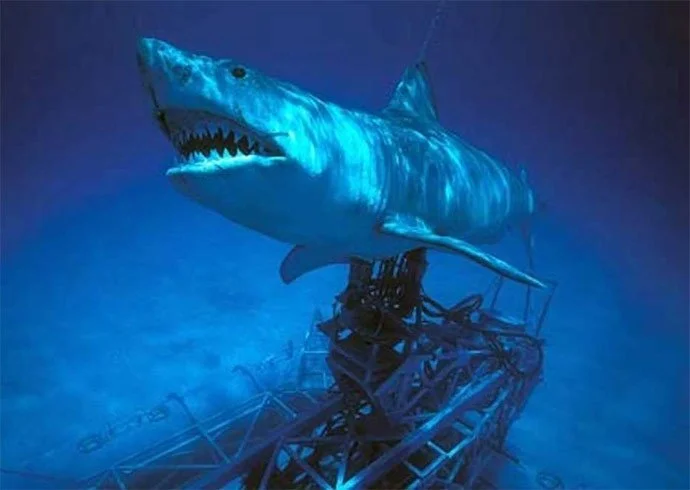
One of the most striking additions is the amount of time spent with the shark itself.
Throughout the novel, Searls frequently shifts perspective to the great white, describing its hunting behaviour, migrations and encounters with other marine life. Readers follow the shark as it travels south from New England and even witnesses its attacks on prey far from human shores.
These chapters echo Peter Benchley's original Jaws novel and help create the impression of a genuine apex predator rather than a supernatural monster.
The Bahamas feel like a real place
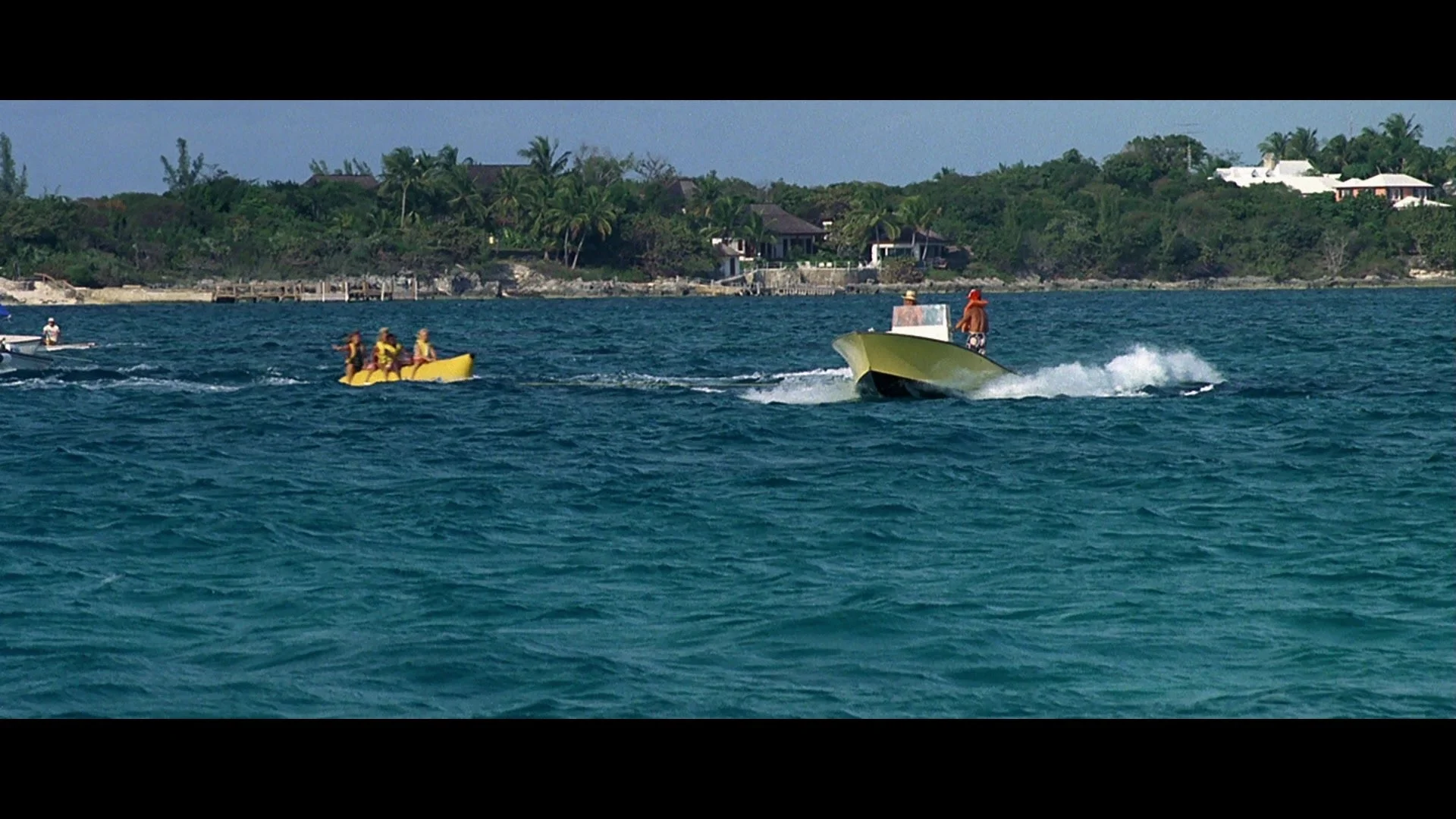
The film largely uses the Bahamas as a colourful backdrop for its final act.
The novel greatly expands the island setting, introducing local culture, folklore, residents and daily life. Characters such as Hoagie Newcombe and the mysterious Papa Jacques receive far more development, making the Caribbean setting feel like a living world rather than merely a location for shark attacks.
The Voodoo subplot is more explicit

Perhaps the biggest difference involves the story's supernatural elements.
While the film hints at Ellen having an almost psychic connection to the shark, the novel goes much further. Through the character of Papa Jacques, a Haitian houngan (witch doctor), the book strongly suggests that supernatural forces may be influencing events. The shark's relentless pursuit of the Brody family is linked to voodoo beliefs and curses in a way that the film only vaguely implies.
For some readers this provides an explanation for the plot's more unbelievable aspects; for others it makes the story even stranger.
Michael Brody is a more complex character
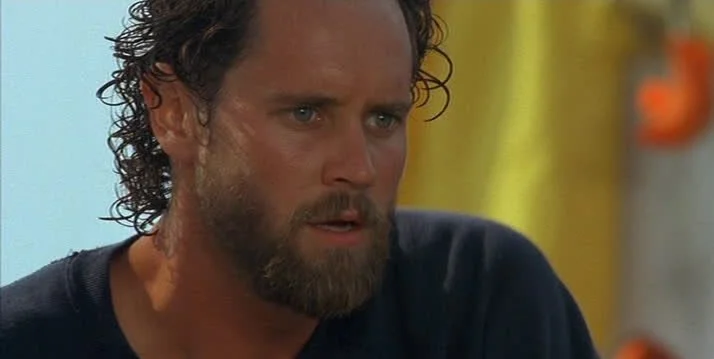
In the movie, Michael Brody serves primarily as a victim-in-waiting and concerned son.
The novel gives him considerably more agency. His work as a marine biologist receives greater attention, his relationships are more fully explored, and his conflicts with Ellen become more emotionally complex. The book spends considerable time examining the tension between his scientific understanding of sharks and his mother's growing fears.
The shark‘s behaviour is more realistic
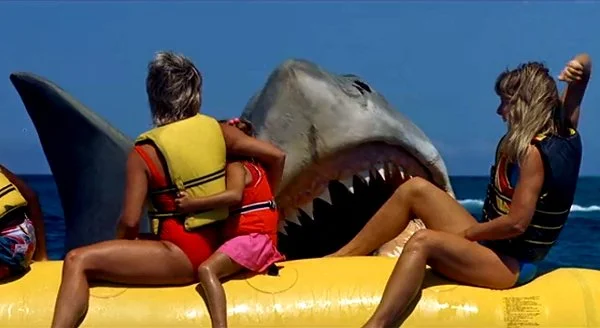
Ironically, despite the supernatural overtones, the shark itself often behaves more realistically in the novel than in the film.
Searls includes detailed descriptions of shark biology, feeding behaviour, sensory systems and migratory patterns. The predator is portrayed as an animal driven by instinct, hunger and environmental cues rather than simply a revenge-seeking villain.
These passages help ground the story and occasionally make the shark feel more believable than its cinematic counterpart.
The Ending Makes More Sense
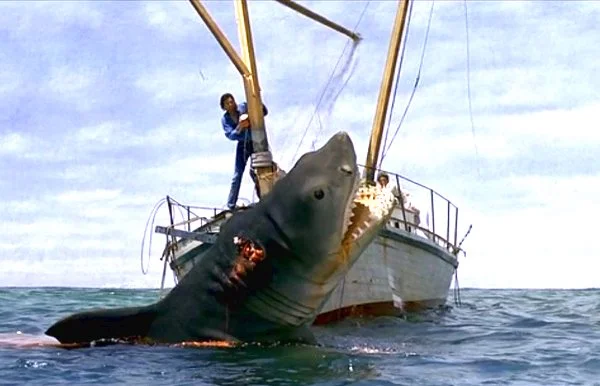
The film's climax—featuring a roaring shark impaled on a boat's bowsprit before exploding—has long been criticised as one of the franchise's most implausible moments.
The novel presents the finale differently, providing additional context and explanation for the shark's demise. While still dramatic and larger-than-life, the book's conclusion feels less abrupt and generally more coherent than what appeared on screen.
Verdict
Jaws: The Revenge remains the black sheep of the franchise, but the novelisation is a surprisingly different experience from the film that inspired it. By expanding the characters, enriching the Bahamas setting and offering greater insight into both Ellen Brody and the shark itself, Hank Searls created a story that many fans consider superior to the movie.
It may not reach the heights of Peter Benchley's original Jaws, but for curious fans looking to revisit the franchise's most controversial chapter, the novel is well worth seeking out—and may just change your opinion of Jaws: The Revenge.
If you would like to write for The Daily Jaws, please visit our ‘work with us’ page
For all the latest Jaws, shark and shark movie news, follow The Daily Jaws on Instagram, Twitter and Facebook.