
How JAWS Inspired a Boy to Clear a US Navy Captain's Name
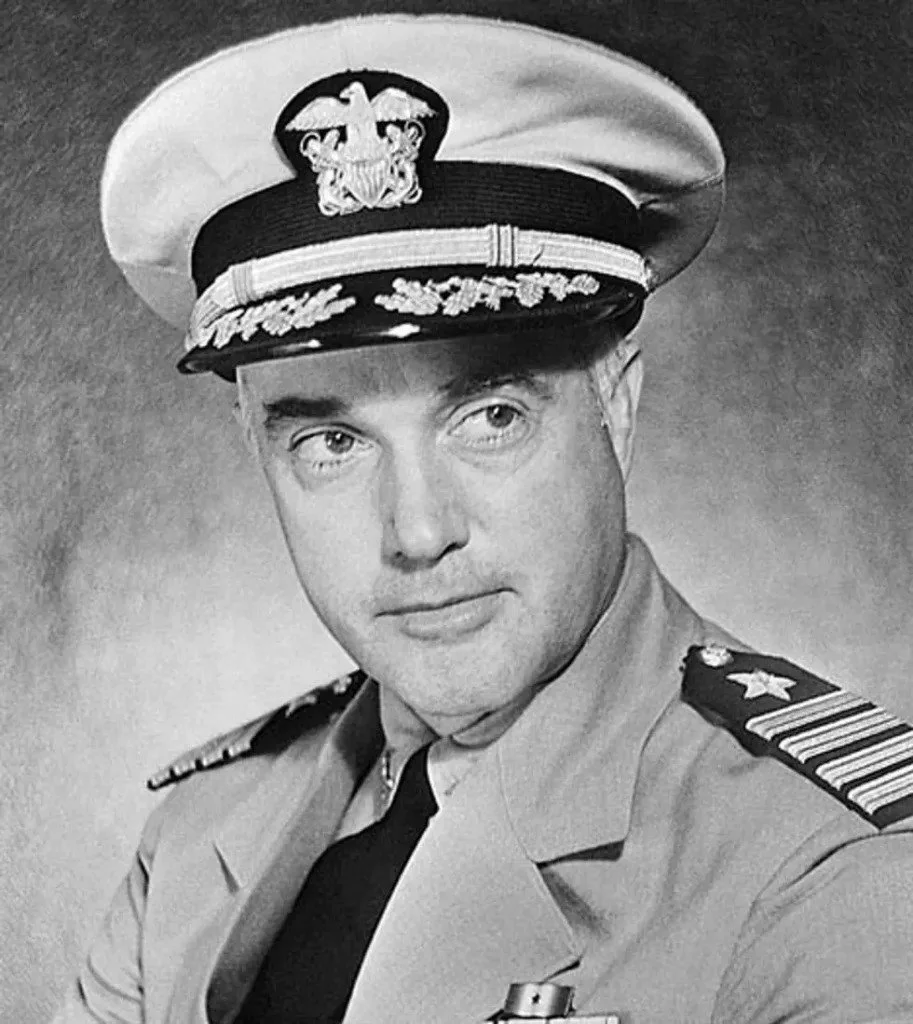
Captain Charles McVay: The tragic final victim of the USS Indianapolis
There are few moments in cinema quite as powerful as Quint's Indianapolis speech in Steven Spielberg's JAWS (1975).
As Brody, Hooper and Quint sit aboard the Orca, comparing scars and sharing stories, the mood suddenly changes when Quint reveals the horrifying experience that shaped his lifelong hatred of sharks.
He was aboard the USS Indianapolis when it was torpedoed during the Second World War, leaving hundreds of American sailors stranded in shark-infested waters.
For most audiences, the scene is an unforgettable piece of movie storytelling.
But for one 11-year-old boy watching JAWS in 1996, it would become the beginning of something extraordinary.
His name was Hunter Scott, and his curiosity would eventually help correct one of the most controversial injustices in American naval history.
The JAWS Scene That Started Everything
Like millions of viewers before him, Hunter was captivated by Robert Shaw's performance as Quint.
But it wasn't the shark attacks or the terrifying climax that left the biggest impression.
It was the Indianapolis speech.
Hunter wanted to know whether the events Quint described had really happened. When he asked his father, he discovered that the story was based on a genuine wartime disaster.
On 30 July 1945, the USS Indianapolis was sunk by a Japanese submarine after completing a top-secret mission to deliver components for the atomic bomb that would soon be dropped on Hiroshima.
The ship went down in approximately 12 minutes.
Of the 1,196 men aboard, only 316 survived.
Hundreds of sailors who escaped the sinking found themselves drifting in the Pacific Ocean without adequate food or drinking water, exposed to the elements and vulnerable to shark attacks.
It was one of the most devastating disasters in US naval history.
And Hunter wanted to know more.
From School Project to National Investigation
What began as curiosity soon developed into a school history project.
Hunter started researching the Indianapolis, reading accounts of the sinking and contacting survivors.
But as he investigated, he uncovered another disturbing chapter of the story.
The ship's commanding officer, Captain Charles B. McVay III, had been court-martialled following the disaster.
The Navy accused McVay of failing to follow a zigzag course that might have made his ship more difficult for enemy submarines to target.
However, there were serious questions about the fairness of the proceedings.
The Japanese submarine commander, Mochitsura Hashimoto, had testified that zigzagging would not have prevented the attack.
There were also questions about intelligence withheld from McVay and the Navy's failure to realise that the Indianapolis was missing.
Despite these concerns, McVay was convicted.
He would spend the rest of his life living under the shadow of the disaster.
In 1968, more than two decades after the sinking, McVay died by suicide.
Hunter was determined to help clear his name.
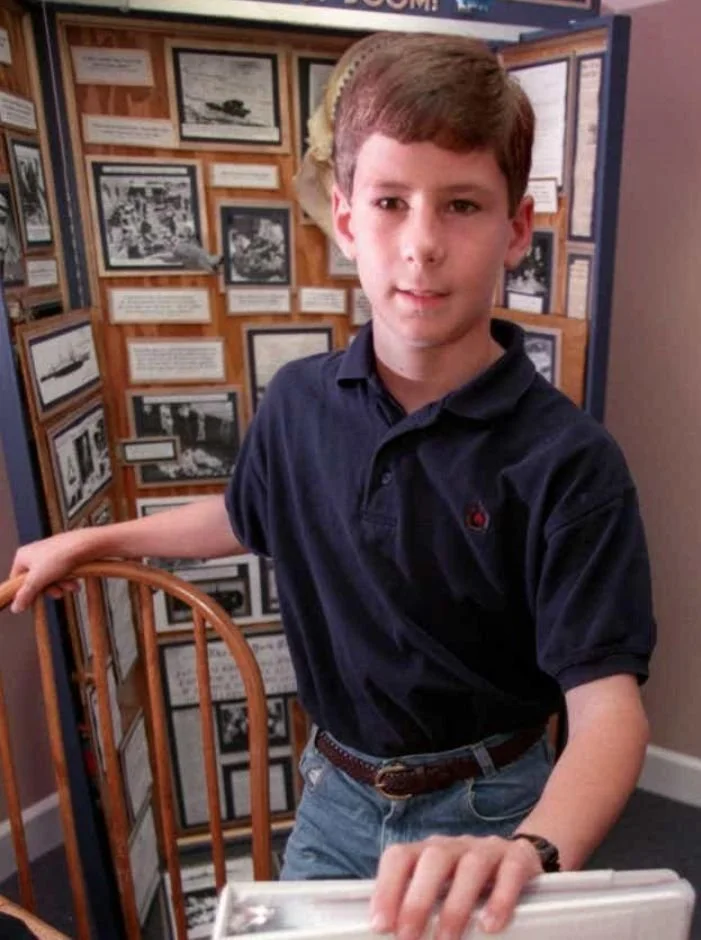
In 1996, Hunter Scott was watching the film Jaws at his home in Florida.
A Young JAWS Fan Takes on the US Navy
Hunter's research quickly grew beyond anything expected of an ordinary school assignment.
He corresponded with survivors, gathered historical evidence and became involved in a campaign to secure official recognition that McVay had been unfairly blamed.
The campaign was not his alone. Indianapolis survivors, their families, historians and other supporters had spent years fighting to correct the historical record.
But Hunter's determination helped bring renewed public and political attention to their cause.
His work eventually reached members of the United States Congress.
In 2000, Congress passed legislation declaring that McVay's military record should reflect his exoneration for the loss of the Indianapolis and its crew.
President Bill Clinton signed the legislation into law.
Then, in July 2001, Secretary of the Navy Gordon England directed that the congressional declaration be placed in McVay's official personnel record.
More than half a century after the sinking, McVay's name had finally been officially cleared of responsibility for the tragedy.
And a young boy's fascination with JAWS had helped make it happen.
The Incredible Legacy of Quint's Indianapolis Speech
The Indianapolis sequence remains one of the defining moments of JAWS.
Robert Shaw's extraordinary performance transforms Quint from a seemingly fearless shark hunter into a deeply traumatised survivor.
It also connects Spielberg's fictional adventure to one of the darkest chapters of real naval history.
The speech has inspired countless viewers to investigate the disaster, learn about its survivors and remember the men who never returned home.
But Hunter Scott's story demonstrates just how far that influence can reach.
A Hollywood blockbuster sparked a child's curiosity. That curiosity became a school project. The school project developed into a historical investigation. And that investigation contributed to a successful campaign to restore a dead man's reputation.
It's a remarkable reminder that the impact of JAWS extends far beyond cinema, popular culture and our collective fear of entering the water.
Sometimes, a film can inspire someone to change history.
And in this case, it all began with three men sitting aboard the Orca, listening to Quint tell a story about the USS Indianapolis.
If you would like to write for The Daily Jaws, please visit our ‘work with us’ page
For all the latest Jaws, shark and shark movie news, follow The Daily Jaws on Instagram, Twitter and Facebook.