
The Cultural Phenomenon of Jaws and Its Lasting Influence
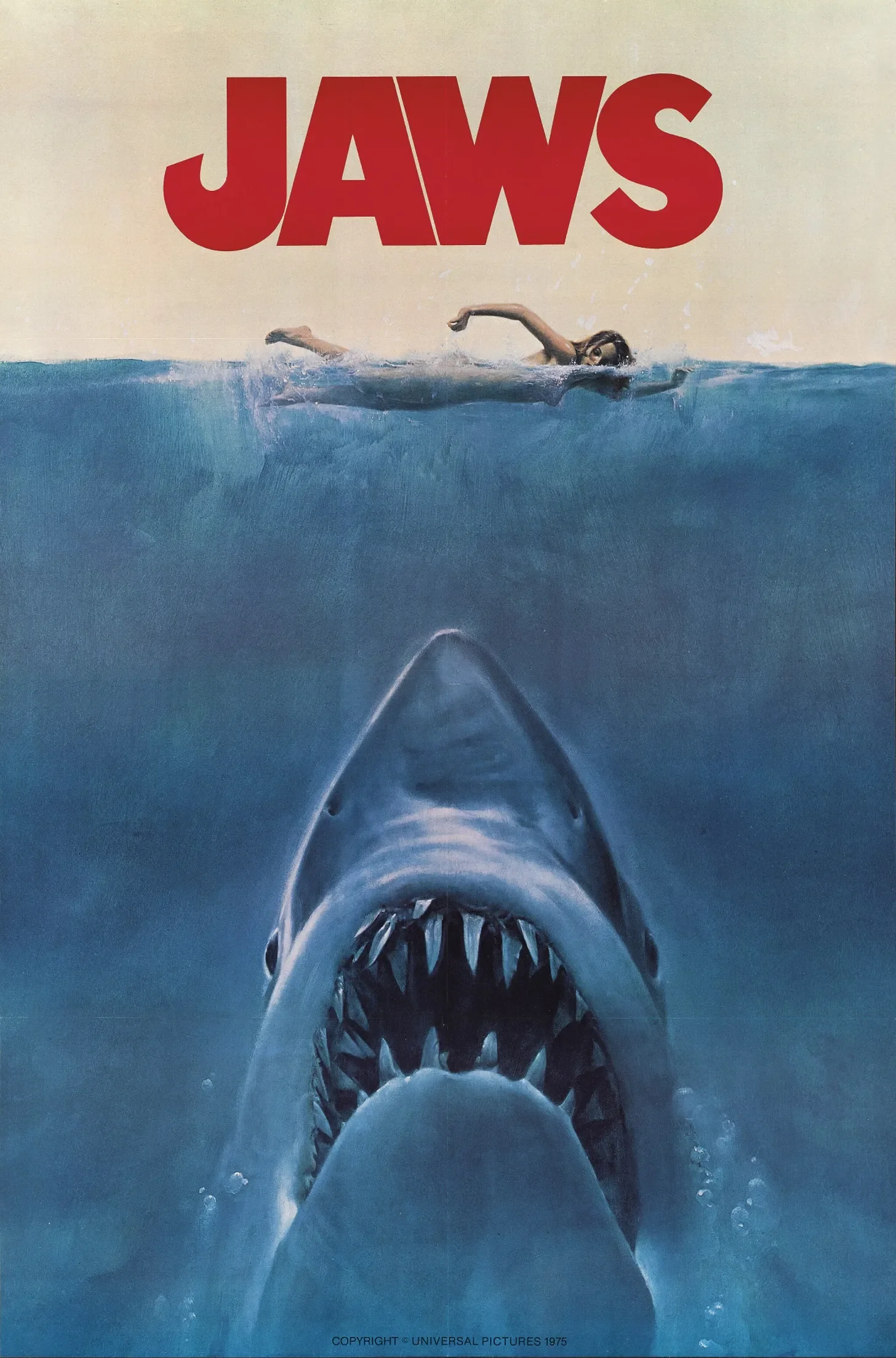
When Jaws splashed onto screens in 1975, audiences had never experienced anything quite like it. Steven Spielberg’s breakout hit did more than terrify millions with the threat of an unseen great white shark. It reshaped the movie industry, transformed the horror genre, influenced academic thought in film studies, and carried ripple effects into tourism, media, education, and even environmental policy. The film’s cultural reach continues to deepen nearly fifty years later, proving that its legacy extends far beyond the cinematic ocean it first conquered.
Upon release, Jaws became a blockbuster in the truest early sense. Lines wrapped around theaters, news outlets ran story after story about audience reactions, and radio stations hosted summer discussions about beach safety. The cultural mania was so widespread that it resembled the way modern entertainment often goes viral through streaming platforms or social chatter. In that climate, conversations about leisure, fear, and entertainment overlapped in ways that feel oddly familiar today, much like how viewers shift between films, sports, and even platforms such as DraftKings casino gaming when looking for new experiences. The film’s popularity created a moment of cross-industry engagement that was rare for its time.
The Film Industry Transformed
One of the most important impacts of Jaws was its role in creating the modern blockbuster model. Before 1975, studios released films gradually, letting them expand week by week depending on audience response. Universal Pictures flipped that logic by giving Jaws a huge national release supported by heavy television advertising. This was an expensive gamble, but it paid off dramatically. Within weeks, the film became the highest-grossing movie in history up to that point.
This strategy set a new standard. Today’s summer tentpole films, from major superhero franchises to big-budget action epics, owe their marketing playbook to Jaws. The idea that a movie could dominate an entire season and become a cultural event started with a shark lurking beneath Amity Island.
A New Direction for the Horror Genre
Before Jaws, horror films were often seen as niche products, usually confined to drive-ins or late-night screenings. Spielberg’s work changed that perception. By blending mainstream storytelling with the suspense and fear that defined horror, Jaws opened the genre to wider audiences.
The film also perfected the technique of withholding the monster. The mechanical shark malfunctioned frequently during production, which forced Spielberg to rely on suggestion rather than full visual exposure. The result was tension built through sound, editing, and perspective. Many filmmakers have since adopted this philosophy. Movies like Alien, The Blair Witch Project, and even modern thrillers continue to build dread by showing less rather than more. The genre became smarter, more psychological, and more accessible because of one famously difficult shark prop.
Influence on Film Studies and Education
Academics quickly recognized the significance of Jaws. Film schools dissect its narrative structure, Spielberg’s innovative camerawork, and John Williams’s iconic two-note score. The movie is frequently used to teach pacing, lighting, sound design, character dynamics, and the role of editing in shaping audience emotion.
The concept of high concept filmmaking is often tied directly to Jaws. Students learn how a simple premise can become a deeply layered narrative through skillful direction and character development. The film also appears in cultural studies courses that explore American fears, environmental symbolism, commercialization, and media influence.
For many educators, Jaws represents the ideal intersection of entertainment and craftsmanship. It is a perfect illustration of how technical challenges can lead to creative breakthroughs that redefine an entire medium.
Broader Cultural and Industrial Impacts
The film’s influence extended well beyond cinema. Its depiction of sharks, although exaggerated, shaped global perceptions of the animals. This led to a measurable increase in public fear of shark attacks during the late 1970s. Media outlets reported on shark sightings with new intensity, often using the film’s imagery to frame stories. Magazine covers and television segments from that era show a clear spike in shark-related headlines.
Tourism patterns also shifted. Some coastal towns reported temporary declines in beach attendance immediately after the film’s release. Others capitalized on the fear with themed merchandise, boat tours, and trivia nights. On the flip side, marine conservation groups eventually used the popularity of Jaws to educate people on the importance of sharks in ocean ecosystems.
Retail, advertising, and even sports promotions borrowed elements from the film. From shark-themed summer products to playful marketing campaigns, Jaws became a recognizable cultural symbol that industries could easily reference.
The Legacy for Future Generations
Younger audiences continue to discover Jaws. Its tension has not aged, and its filmmaking techniques remain timeless. Modern directors frequently cite it as an inspiration for blockbuster pacing and suspense design. The film also introduced phrases and images that persist in pop culture, such as “You are going to need a bigger boat” and the dorsal fin cutting through water.
Streaming services have kept the film widely available, allowing new viewers to experience it alongside commentaries, documentaries, and anniversary retrospectives. Its impact is felt in everything from Shark Week-style programming to the structure of seasonal movie marketing. Even the concept of summer movies as shared cultural moments can be traced back to 1975.
The cultural phenomenon of Jaws is a testament to how a single film can reshape art, industry, and society. It redefined blockbusters, elevated horror, enriched academic study, and influenced industries far outside entertainment. Its media coverage, financial success, and innovative storytelling created a legacy that continues to guide filmmakers and captivate audiences. Almost fifty years later, the currents stirred by Spielberg’s great white shark are still in motion, proving that great cinema does far more than entertain. It changes the world around it.