
Reviewing “Nature’s Unknowns”: How Orcas hunt sharks and (maybe) Megalodon
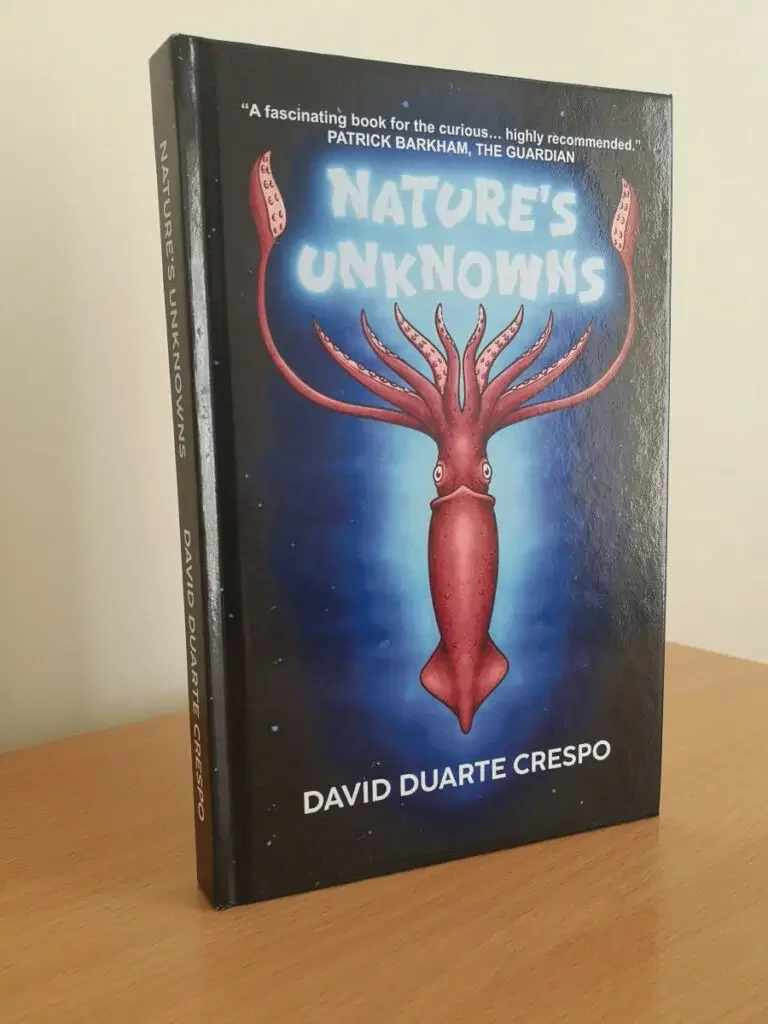
Nature’s Unknowns, written by David Duarte Crespo, is a book that delves into the little-known yet fascinating mysteries of the natural world. The book details many unusual wildlife mysteries, most of which have received little research. It blends education with entertainment to make for an interesting and engaging read.
Focusing on the ninth chapter titled “CHAPTER 9: Baby Megalodons May Have Helped Orcas Become Shark Butchers”, the author investigates the unusual behaviour of orcas hunting sharks, particularly their inclination to target a shark’s liver, while leaving much of the rest of the shark untouched. For the duration of the chapter, he documents several eyewitness accounts to demonstrate that this behaviour is not an isolated occurrence and appears to be a calculated and ongoing behaviour seen within orcas. Such cases have been documented in several countries, dating back to at least the 1950s, including in South Africa, Australia, the US, and other parts of the world. This analysis of a little-known side of orca behaviour immediately makes the chapter intriguing, as orcas are often associated with intelligent and highly coordinated hunting techniques. However, their ability to target the most nutritious part of a shark presents a much more unusual side to their behaviour.
Within this chapter, the author goes further than simply documenting incidents and explores why orcas may specifically target the livers of sharks. He explains that a shark’s liver is rich in fats and contains a nutritious oil called squalene. Rough calculations suggest that the liver of a single great white shark may be able to sustain an orca for a day. The high fat content provides a substantial source of calories, allowing orcas to expend less energy for a greater nutritional reward. The author also explores how young orcas learn hunting techniques from older members of their pods. This suggests that the behaviour is passed down through generations, becoming part of a learned culture rather than being purely instinctive. However, while these explanations help clarify the possible reasons behind this behaviour, the precise origins of the hunting technique remain unknown, particularly in relation to the author’s hypothesis about juvenile megalodons.
Within the text, the author's writing style remains appealing and accessible while exploring the unusual mysteries of the environment. Chapter 9’s focus on orcas hunting sharks for their livers is already intriguing, but the way in which the author presents the subject helps to maintain the reader’s interest. His gradual exploration of the possible reasons behind this unusual behaviour encourages the readers to question their initial assumptions about these animals and appreciate the complexity of their hunting techniques.
Arguably, the defining point of this chapter is the author’s hypothesis, which suggests that this behaviour may have originated from ancient orcas hunting juvenile megalodons by suffocating them at the water's surface. This connects modern animal behaviour with prehistoric marine life, presenting an intriguing explanation that extends beyond the observations discussed earlier in the chapter.
From start to finish, and particularly in Chapter 9, the combination of scientific information and intriguing mysteries makes for an informative and enjoyable read. The author’s accessible writing style allows readers with varying levels of knowledge to engage with the subject. Although the book remains informative and grounded in zoology, it also retains its humour and presents an impressive collection of interesting yet little-known facts about different species. The author’s writing style encourages readers to keep reading, to question what they know and to explore our world more deeply. A highly enjoyable read for anyone interested in zoology and animal behaviour, and particularly those fascinated by the unexpected complexity of familiar creatures. More importantly, Chapter 9 leaves the reader to consider whether the hunting behaviour of modern orcas could provide clues to an ancient relationship between predators and prey, showing how even familiar animals may hold connections to a much more distant past.
Nature’s Unknowns proved itself to be a great read from start to finish. I’ve loved the humorous yet intriguing facts throughout, and I can see that a high level of thought and research has gone into every aspect of the book.
I’ve always enjoyed reading books about the natural world, and Nature’s Unknowns takes the familiar approach of exploring nature while still keeping it an enjoyable read. You’re made to want to read more and think outside of the box. Every chapter has something new to consider, and the fact that the author has researched the little-known areas of topics makes it stand out from the rest.
A highly enjoyable read for anyone, whether or not you are already interested in nature and the mysteries surrounding it.
Review by Christopher Hopper
CHAPTER 9:
Baby Megalodons May Have Made Orcas Shark Butchers
They're smart, they're scary and they love to dissect things. No, not serial killers. Or biology teachers. I'm talking about killer whales (Orcinus orca): the biggest member of the dolphin family, and also the biggest reason why life as any sea animal would really suck.
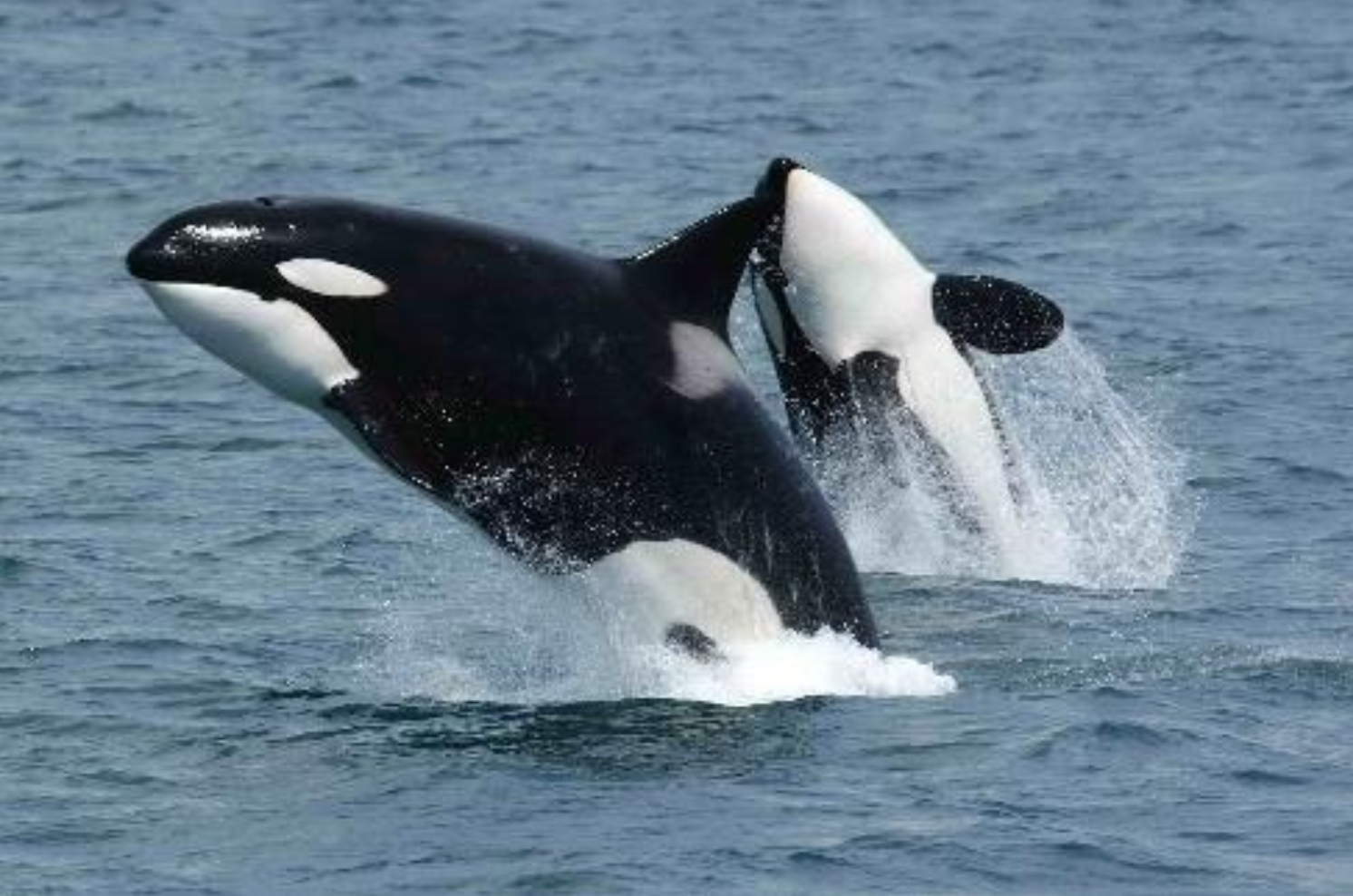
Because not only are they dolphins — which are all whales by default — they are, without a doubt, killers. At least for anything that’s in the sea and isn't a person. Using teamwork combined with their infamous intelligence, creatures from herring to blue whales (Balaenoptera musculus) are caught and devoured with precision and efficiency.
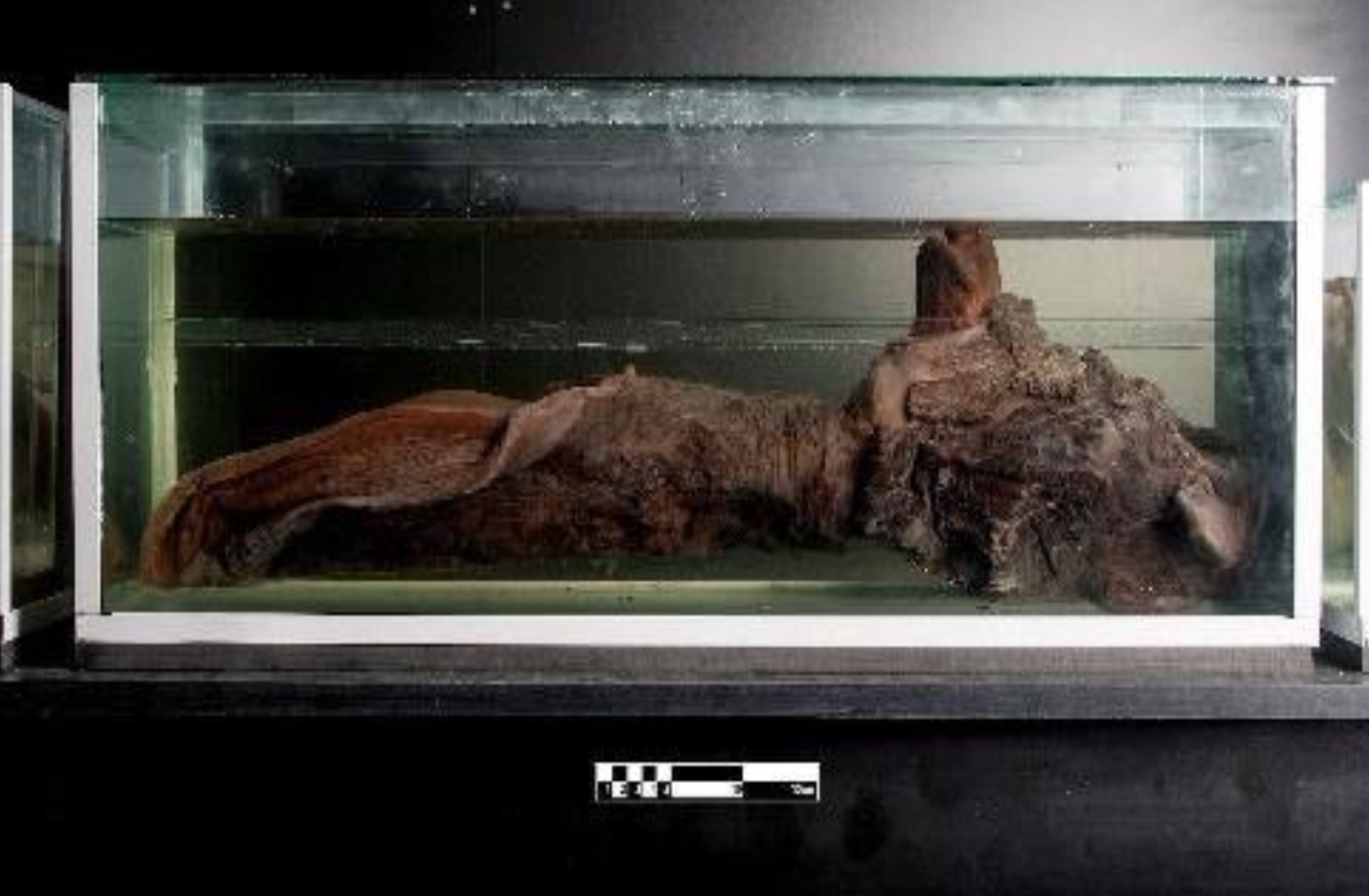
So efficient that they've acquired some…interesting tastes, to say the very least. Some enjoy eating a juicy, tender whale tongue; others love to dine on the fat-rich livers of sharks. Just when the sharks thought it was safe to live in the water.In case you’re scared and worrying what this is, it’s just a blue whale’s tongue preserved in alcohol:
Killer Whale Killing Spree:
In October 1997, tourists on a whale-watching boat near San Francisco saw what was basically an underwater remake of The Silence of the Lambs. Two orcas attacked a great white shark (Carcharodon carcharias) and fed on its liver. That was the first documented case of orcas preying on great whites. But it wouldn't be the last.
South Africa has seen more than its fair share of shark killings as well. Two new male orcas reportedly first arrived in False Bay in January 2015: "Port" and "Starboard", named for their dorsal fins that are flopped over in opposite directions.
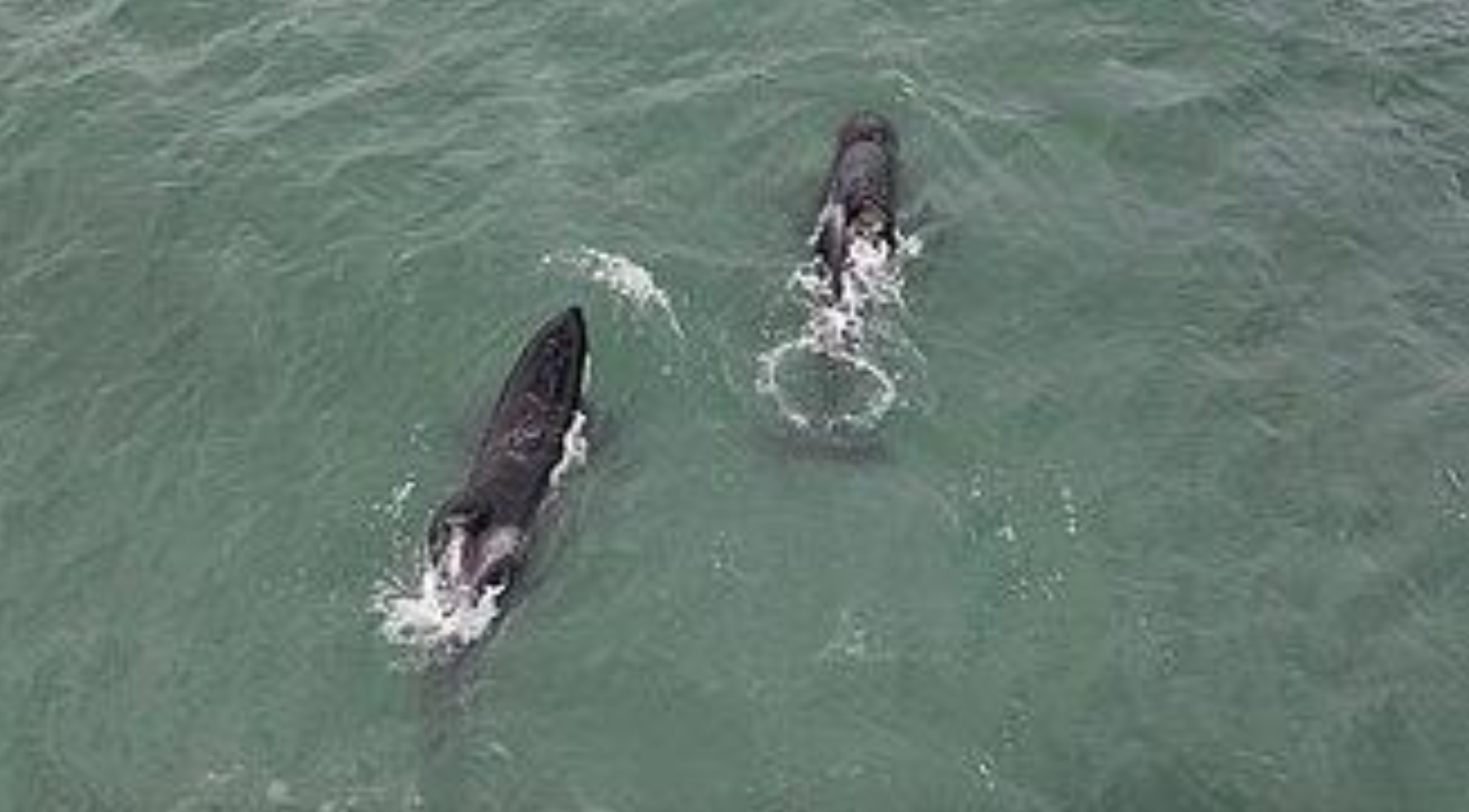
Then, in November of that same year, several dead bodies of broadnose sevengill sharks (Notorynchus cepedianus) were discovered in Miller's Point with their livers gone. A second incident occurred at the same place in April 2016. Take a guess who was suspected.
After these two incidents with the sevengills, the pair of pâté lovers would eventually turn their attention to the local great whites in areas such as Gansbaai and Struibaai. Known for its white sand, white sharks (especially the dead ones), and even whiter tourists.
Necropsies of multiple bodies found at those areas in February–June 2017 made researchers suspect the same two orcas were responsible. As with the sevengills, the livers of these great whites were missing.
Six years later, another incident took place in late February 2023…again near the Gansbaai area. When marine biologists arrived on the scene, a total of 20 bodies were found: 19 sevengills and one spotted gully shark (Triakis megalopterus). Again, every single one was found liver-less.
But then in April 2023, violence against sharks was taken to a new level. If you thought orcas strictly kill species smaller than themselves, you'd be sorely mistaken. Because off the coast of Mexico, tourists filmed an orca attacking an adult whale shark (Rhincodon typus) for the first time. "Looks like they slurped in the liver", said James Moskito of Ocean Safaris.
I’m sure you’re starting to see a pattern here.
Shockingly, the reason is a bit more complicated than Port and Starboard thinking they're Hannibal Lecter.
Ralph Watson — a marine biologist from Dyer Island Conservation Trust — said a shark's liver can account for a third of its body weight. It's also rich in lipids (fats) and a nutritious oil called squalene. "Rough calculations suggest a single white shark liver might sustain a singleorca for a day". All those fats mean more calories. So, the orcas use less effort for a much greater reward.
Creatures of Culture:
These two murderous South African orcas team up to hunt and butcher sharks as their chief source of food. And they’re terrifyingly good at it. Using their teeth, they tear open the pectoral girdle next to the pectoral fins and this creates a big, gaping wound across it.
Then they squeeze out the liver “like squeezing toothpaste” and eat it; the rest of the internal organs (e.g. heart, stomach, etc) are left intact. Have you ever squeezed the jelly out of a jelly doughnut to lick it off? That's how Port and Starboard eat out a shark's liver.
Unlike most animal species, orcas have what we can consider to be culture. Most animal species eat their own kids, so it doesn’t take the orcas much. A part of this culture is an array of diets that differ between pods, populations and more so between ecotypes. Orcas come in a few distinct flavours and experts refer to them as "ecotypes".
There are three major ecotypes existing in the Northern Hemisphere: Offshore, Resident, and Transient. Each ecotype has several separate orca populations; each population has its own unique diet and behaviours, including hunting strategies. Take the Southern Residents of the Pacific Northwest. They specialise in catching Chinook salmon.
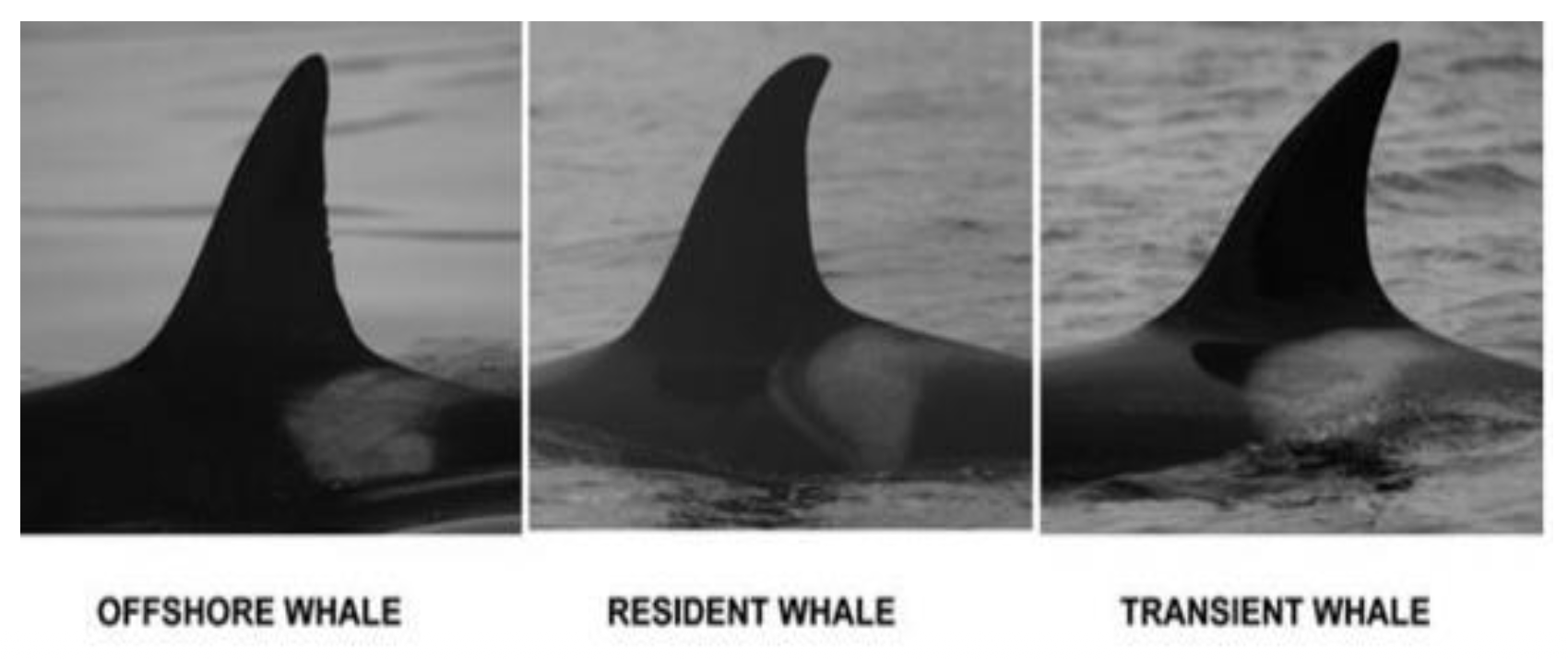
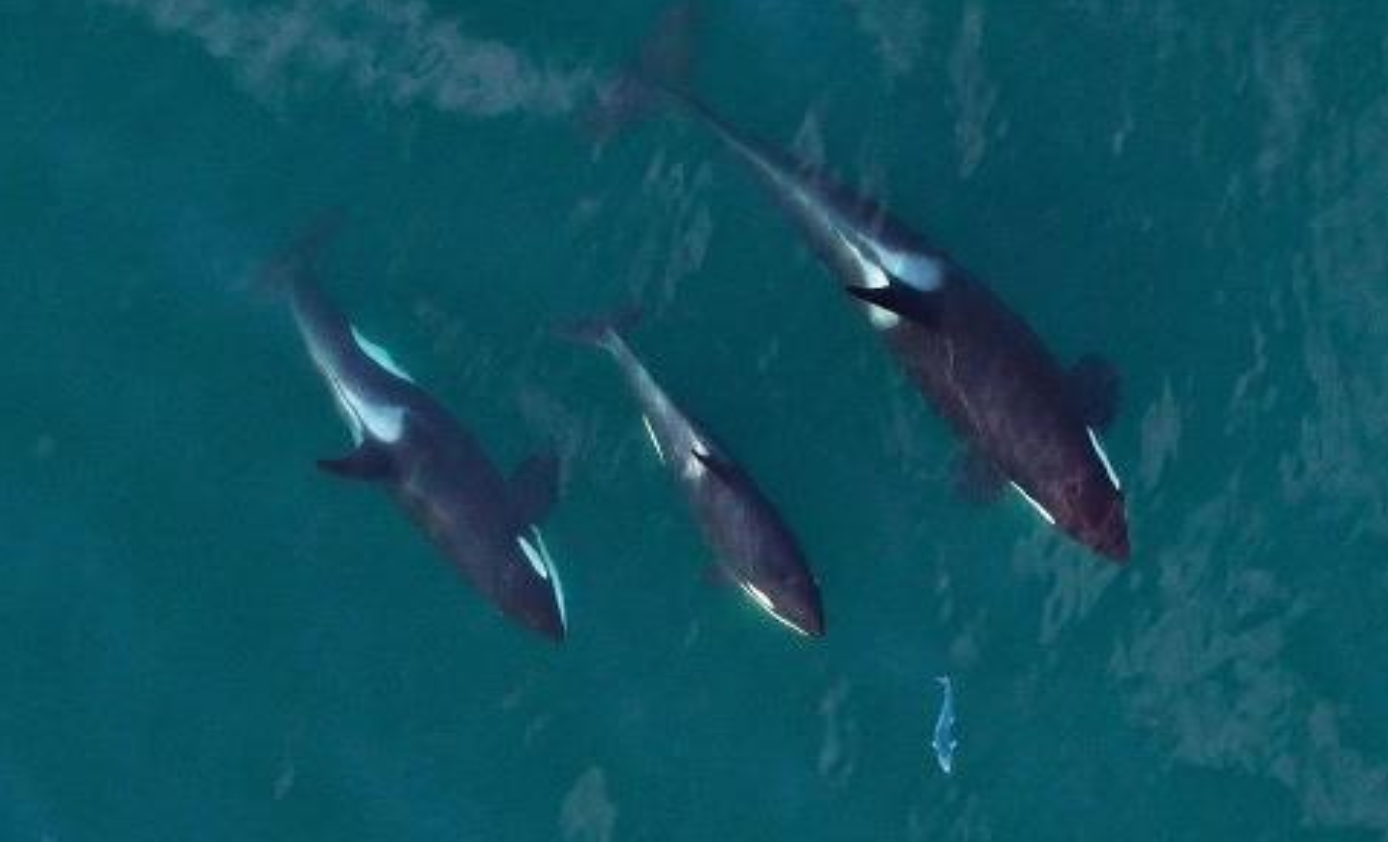
They're not born with this ability, however. Young orcas must learn these hunting skills — and other behaviours — from older members of their pod, and this knowledge gets passed down through the generations. Because nothing beats some family bonding over learning to annihilate sharks together.
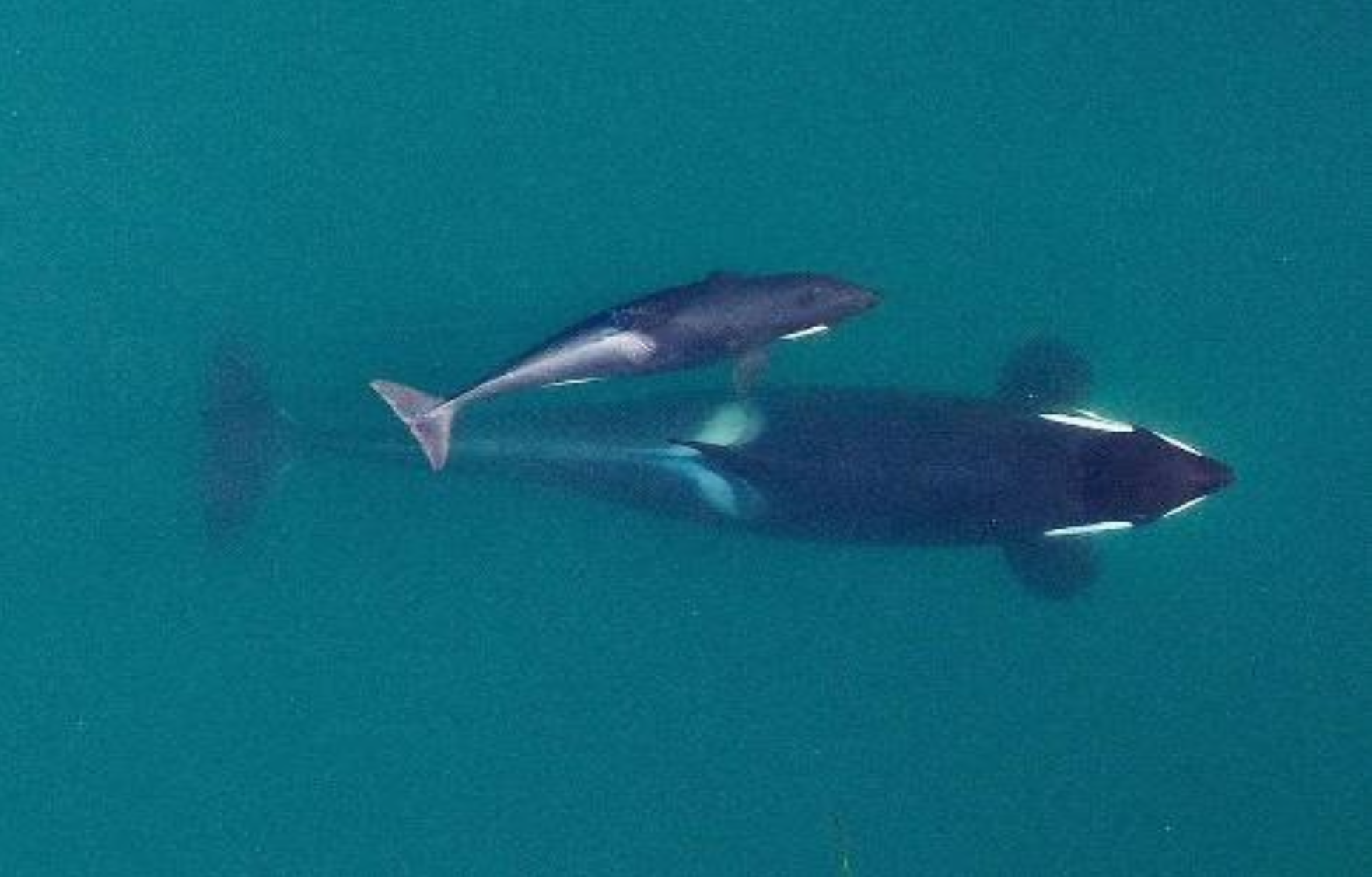
The fact that this behaviour has been observed since at least the 1950s in countries including Argentina, Australia, Mexico, New Zealand, South Africa, and the US suggests a few things. That it's a global occurrence, is a more generalised behaviour witnessed in different orca populations, and is almost certainly not a recent trend. Although orcas do follow trends like us. I reckon salmon hats will take off again.But two questions still spring to mind. More specifically, my mind. When and how did orcas become such connoisseurs of shark foie gras?
The Current Theories:
After doing a great deal of research, there doesn't seem to be any currently established theories or hypotheses for when orcas originally learnt to target sharks for their liver. I can fix that.
My Hypothesis:
Orcas preying on sharks for their livers may not be as new as you’d think. Modern orcas as we know them are thought to have first appeared on Earth during the Pliocene epoch approximately five million years ago.
They, alongside a few now extinct Orcinus species, temporarily coexisted with Jason Statham's arch nemesis: Megalodon (Otodus megalodon). True to many modern shark species, baby and juvenile Megalodons spent their early years in shallow-water nurseries. There, they'd be protected from nearly all open ocean predators. Nearly all.
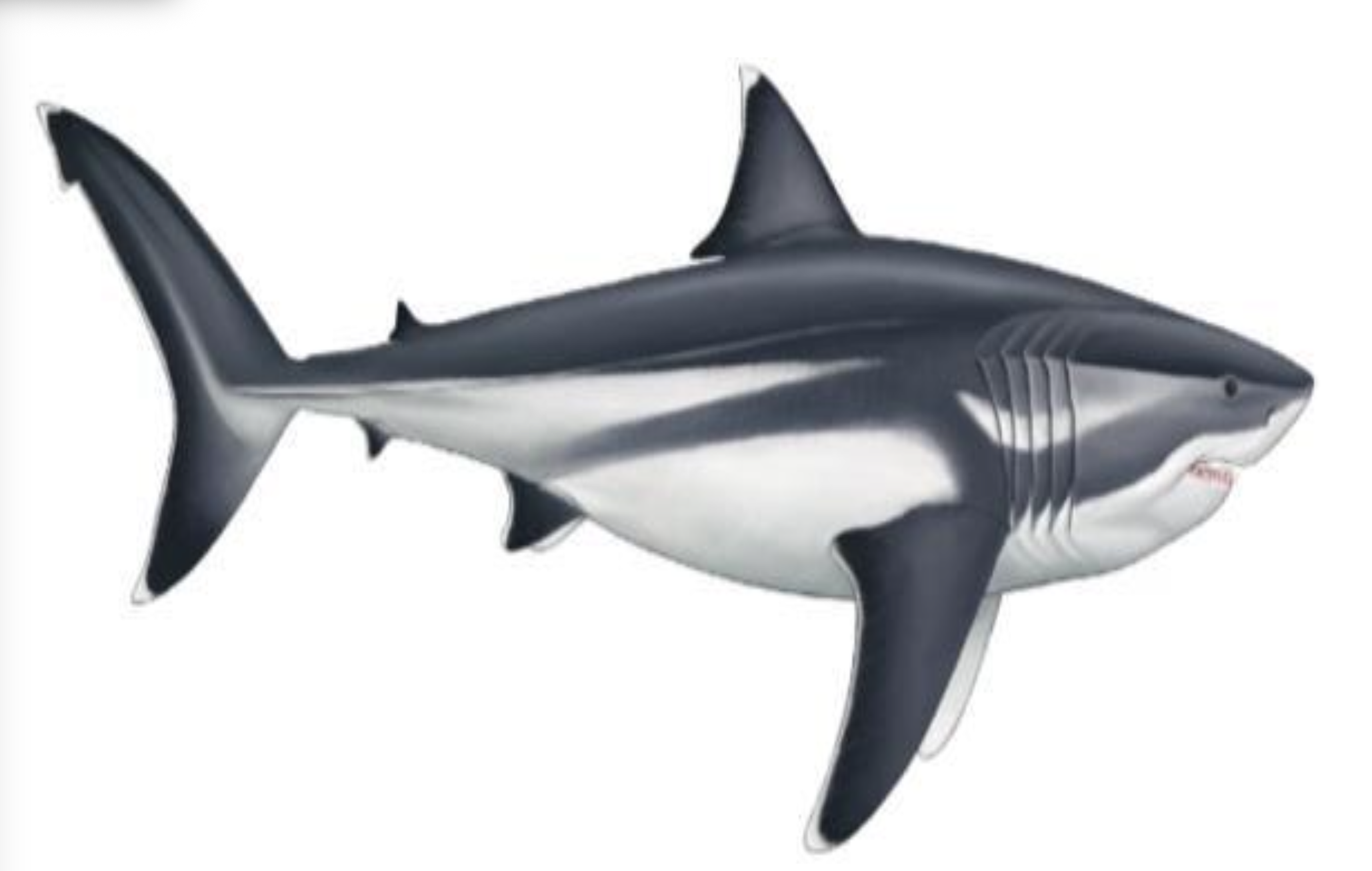
Fossil evidence shows adults were present in these nurseries. It's thought they'd protect and raise their young before they were able to fend for themselves out in the open water.
This is interesting because there are few shark species that stay with their young after they're born/hatch. The majority just leave like the dads who never came back from getting milk at the shop. Megalodons were different. Their nurseries were basically the Fort Knox of the sea. Few could enter these heavily guarded zones; even fewer could make it out.
Yet despite the adults being present, a few orca populations would eventually — over hundreds or perhaps thousands of generations — learn to work around that problem.
Given the choice, orcas would prefer to prowl along the coastlines just beyond the nurseries where they’d watch. Watch for any babies or juveniles that wandered too close to the nursery’s edge by themselves. That sounds horrible out of context. Although they'd prefer this method, orcas weren't above facing up against the adults if it was deemed necessary for a successful hunt.
In the modern day, some transient orcas can dispatch animals as bigas baleen whales. They do this by holding onto the dorsal fin and the fluke (the tail) to hold the whale down and drown it. Usually, they prefer to separate the calves from their mothers before drowningthem. Not that that’s any better, but it’s easy to see where they get the ‘killer whale’ nickname from.
Back in the Pliocene, a few populations of orca might’ve specialised to use a similar strategy to separate young Megalodons from their protective mothers.
One to two orcas grab onto the tail; another grabs the primary dorsal fin (i.e. the first big fin on the shark's back). Then two other orcas grab the pectoral fins (the fins that are where arms would be if sharks had arms): one orca for each fin.
Why would they focus on these specific body parts? It could be to slow down or restrain the adult. As you can probably imagine, moving a limb is quite difficult when there's a 10-tonne animal attached to it. I feel that every time my 11-year-old brother latches onto my arm.
An adult Megalodon would've had to deal with a whole gang of them. Orcas, that is. This all makes separation of the baby/juvenile much easier.
As soon as one orca gets tired, another will be ready to switch places in relays. This is to ensure the adult gets tired before the whole pod does, and to reduce its ability to escape or fight back. I’d say a minimum of eight orcas would be required to restrain an adult Megalodon — 10–12 would be better.
Once the baby/juvenile has been separated, one of the extra orcas on standby can attack. First, the orca stuns it by either ramming it at full speed or "karate chops" with its tail as orca biologist Dr Ingrid Visser describes.
The orca then turns its victim upside down to induce a sort of trance- like state called "tonic immobility". Kind of like that hypnosis scene from Get Out, except the orca doesn't need a spoon and tea set.Relaxed and spaced out like a stoner, the shark stops moving which allows the orca to suffocate it at the surface. This is how modern orcas kill great whites and other sharks smaller than them. All of this is achieved via coordinated and synchronised teamwork on par with the combined arms warfare of NATO.
This isn't to say Megalodons were the only species orcas preyed on. They would've hunted and fed on smaller ones in the Pliocene, including the ancestors of some modern species too. Nor is this to say all orcas fed on sharks. Because I think they were opportunistic generalists before diverging into today’s specialised ecotypes and populations.
Some of these populations learnt to hunt and feed on different shark species in different habitats and geographic ranges. A select few became specialists to the point that the bulk of their diet is made up of shark livers.
Within a few million years (mere seconds if the evolution of life was condensed in a 24-hour clock), they've managed to become the second biggest consumers of liver per capita. Second only to the French.