
Why JAWS builds suspense so effectively
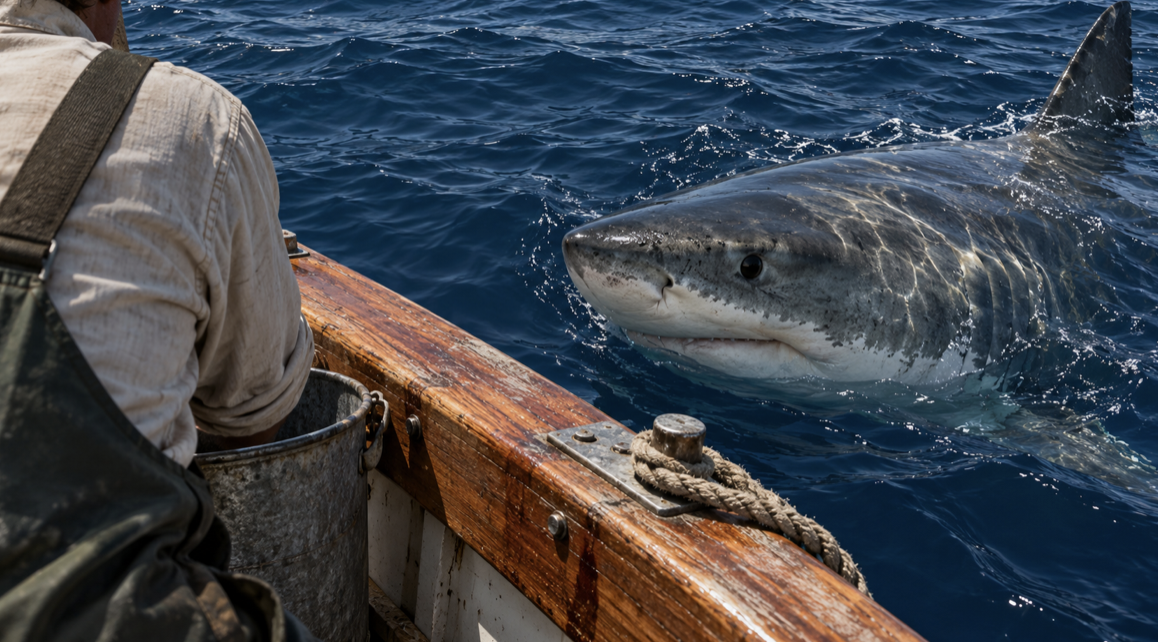
Image Source: Created with AI
Picture one of the most iconic scenes in JAWS. Brody is chumming from the Orca when the shark rises beside him. The interruption turns an unpleasant job into a close encounter with the animal the men have been pursuing. Familiarity makes the wait for that interruption part of the attraction. A returning viewer can follow Brody's task while anticipating what will enter the scene and feeling all the suspense of watching the water on tenterhooks.
Suspense in games
Video games offer a different way to experience that same kind of wait, but in most cases, the outcome won't be known in advance. It's not just about the players' suspense; it's also about audiences and spectators, and what they think is coming. Building suspense is a huge part of the appeal in video games of all kinds, with esports in particular depending on this to pull their audiences in.
Competition adds other players making decisions of their own. Organized video game competitions are known as esports, with matches that an audience can follow. Spectators watch rather than control the action, but the result remains open. Live Call of Duty matches make that uncertainty part of following the contest.
Following a match can begin before play, with the matchup and the expectations around it. Call of Duty betting odds reflect expectations about a competitive result that the players still have to settle. Their decisions and execution then determine what happens in the match. By contrast, a returning JAWS viewer already knows the ending, but they will still feel the suspense climbing as the scene drags out, and we wait for the shark to surface.
Waiting for the shark to appear
Brody continues a routine that a returning audience knows is about to end. He has no advance warning of the shark beside the boat. Familiarity puts the returning viewer ahead of him, watching a danger he has yet to notice.
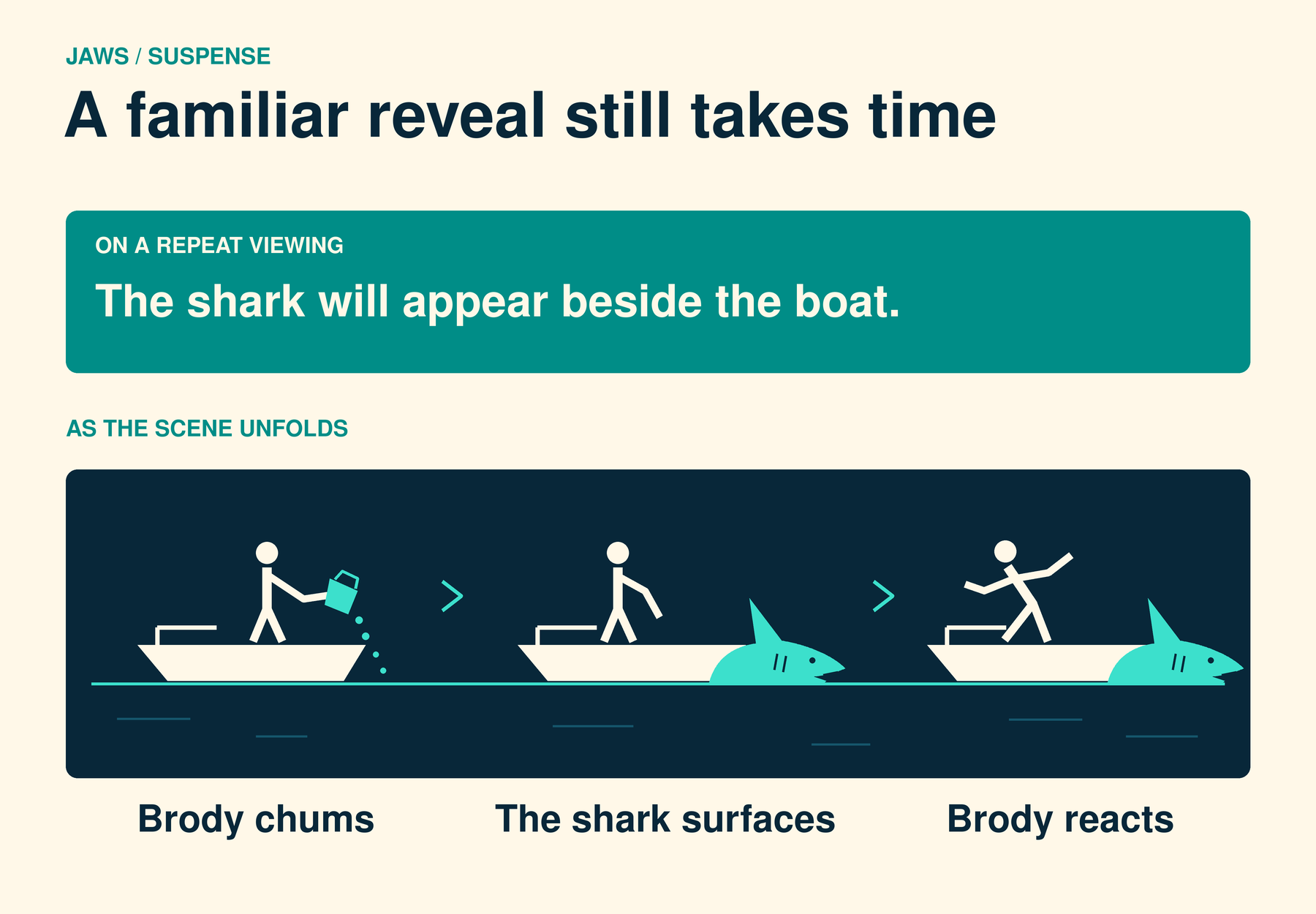
Image Source: Created with AI
The shark arrives through sound
John Williams' alternating notes give the shark a presence before the image needs to reveal its body. The Daily Jaws' account of the theme's simplicity and contrasting moods describes the score's ability to suggest an unseen animal while also making space for adventure.
The motif makes the water worth watching. A stretch of sea can contain little visible movement while the soundtrack gives it a direction and purpose. Familiarity with the music can make that cooperation easier to notice: the image withholds a clear look at the creature, while the score gives the wait a shape. The audience has something to follow before the film shows the animal. Many video games also play on this approach, using sound to warn audiences and players about something that's coming long before they can actually see it. Sound is a key element of how we interpret the world – both games and movies utilize it for that reason.
In JAWS, the audience hears a cue the men cannot use as a warning. The score accompanies the story without becoming information the characters possess. That separation keeps their vulnerability intact. Knowing the music does not put the people on screen in a better position; it makes their limited awareness easier to follow.
The score's lighter adventure material gives the pursuit a different character from the threatening motif. That variation leaves room for companionship, confidence, and the business of the expedition. Returning to the film means hearing those changes again, rather than waiting through an uninterrupted musical announcement of danger.
Following the investigation again
A known ending also leaves the route toward it available for closer attention. Critic Leon Miller's anniversary reassessment describes the investigative first half of JAWS as a procedural thriller. Brody and Hooper examine evidence and question the apparent resolution supplied by the captured tiger shark. Their inquiry gives the film a rhythm distinct from the later confrontation aboard the Orca.
The captured shark supplies something visible for people to accept as an answer. Hooper puts that answer under scrutiny, examining the animal rather than accepting its capture as proof. The dissection turns the inquiry into something physical. There are actions to follow and an explanation to test, even when the viewer remembers the conclusion. Catching a shark and identifying the animal responsible for the threat are different achievements.
The inquiry also gives Brody and Hooper work to do together. Brody is the police chief of Amity; Hooper studies marine life. Their roles emerge through the problem they are trying to understand. Watching that understanding develop remains worthwhile even when the conclusion is familiar. The film gives its continuing threat a sequence of discoveries and disagreements, allowing character and investigation to develop in the same scenes.
Aboard the Orca, inquiry gives way to confrontation. Hooper's cage ordeal brings him into a physical encounter with the animal he has been investigating. The pursuit changes what his knowledge can do for him: identifying the threat and facing it are different problems. JAWS develops that change through action, giving its characters more to do than wait for the shark's next appearance.
The pleasure of watching it happen
Live competition leaves its result to be settled by the participants. JAWS preserves the details of how its story is told, allowing a return to the same scene with a different awareness of what is happening. Brody still has his job to do before the shark interrupts it. Anticipating the appearance leaves time to watch him, and familiarity can make that ordinary interval part of the pleasure. The scene retains its pace, its performance, and its humor after its surprise has become familiar.