
Fifty Years Later, the Shark Everyone Fears Still Isn't the One That's Actually Dying
A fictional shark constructed from three mechanical models, most of which no longer work, and named after a lawyer, has had more influence on how an entire species is viewed than all the real encounters the average person is likely to have with one. Half a century later, when Jaws was released, the fictional creature had done more damage to the real one's reputation than the real one had suffered for fifty years.
The Casino-Level Odds Nobody Believes
Oceanophobia is largely based on vividness rather than probability, and shark attacks are the perfect example of this difference. Statistically speaking, you are more likely to be injured by falling vending machines or coconuts, or to be involved in a traffic accident, than to encounter a shark, yet the beach setting can create real anxiety. The same applies to online casinos many people love today. The discrepancy between how rare an event is and how frightening it seems is what sites like CasinosAnalyzer try to overcome on a regular basis by providing facts about wagering requirements and real probabilities rather than misleading but attractive propositions: https://casinosanalyzer.ca/casino-bonuses/ragingbullcasino.com breaks down a specific operator's current terms in exactly that spirit.
What the Movie Actually Did to the Real Animal
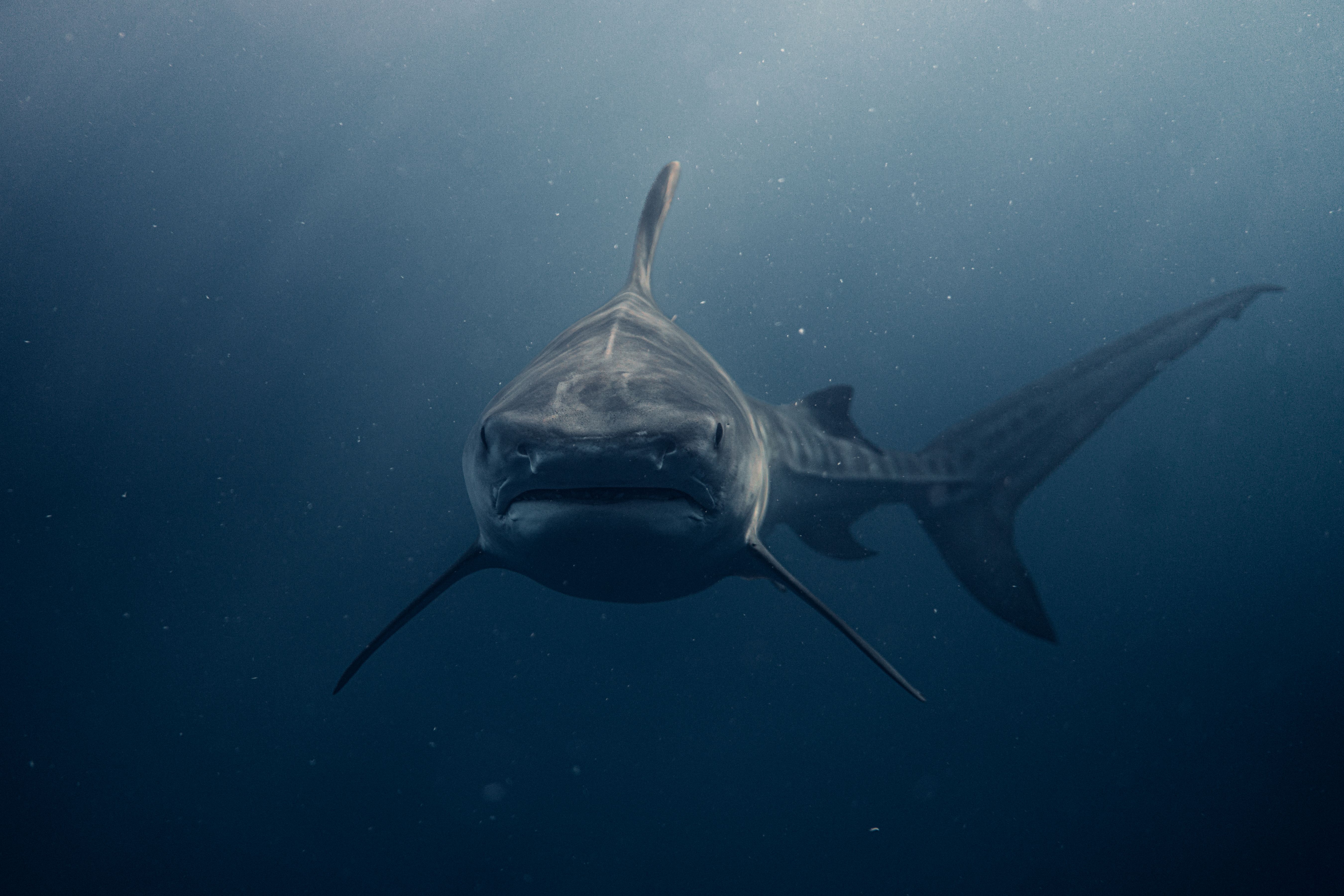
However, the facts behind the 'Jaws effect' are even more dramatic than popular legend suggests. Fifty years after the film's release, white shark populations have decreased by 80%, and researchers attribute this to the hunting frenzy triggered by Jaws. This frenzy is considered one of the reasons for the decline in shark populations. As Wendy Benchley, the widow of Peter Benchley – the author of the novel on which the film was based – has stated: 'There were people who used it as a license to kill sharks.' Along with habitat destruction, overfishing and ocean warming, this legacy of hunting constitutes one of the three biggest problems facing sharks today, and is much more difficult to change than just the hunting trend alone.
Spielberg himself has admitted to regretting his portrayal of sharks, which is one of the few cases where a filmmaker has acknowledged the environmental impact of a film many years after its release. Such regret is unusual since Jaws did exactly what it was supposed to do as a film.
The Science the Film Accidentally Funded
However, not all consequences followed a single course. In the years following the release of the film, there were more applications made to a major marine sciences program, accounting for about 30 percent of its total applicants. Scientists today recognize this development as part of the phenomenon of a whole generation of individuals being lured into studying the oceans because of the same film that scared them away. The story, which was intended to scare people, ended up helping to recruit scientists who would later devote their careers to correcting the distorted record caused by the story.
This contradiction helps explain why the fiftieth anniversary of the film's release is significant in marine research beyond nostalgia. Despite some awkwardness, the film has been recognized as having directly contributed to harming shark populations as well as sparking scientific interest in restoring them.
The Rules Written After the Damage Was Done
A federal fisheries and oceans authority lays out how one country has actually managed the recovery side of that equation. It is important to note that sharks reproduce more slowly than many other species of fish. Therefore, fishing pressure must remain low to maintain current population levels and, more importantly, allow populations to recover from a long period of low shark numbers. Recreational shark fishing can only be done using the catch-and-release technique. Any accidental catches must be released immediately, and the mating grounds are completely off-limits to commercial fishing activity.
Species-specific information provides more insight into the recovery process. For example, porbeagle shark quotas were reduced by 75%. Yet, current population assessments prove that the population of sharks has started to bounce back. While white sharks have been listed as endangered since 2011, basking sharks and spiny dogfish are regarded as "species of special concern," but not as endangered. This did not happen because there was a species of shark that was popular or unpopular in a specific decade. Rather, people simply cared enough to gather data about the shark population and implement policies accordingly.
What Statistically Threatens a Beach Day More Than a Shark Does
When talk of fins comes up, some perspective about risk gets totally forgotten.
Severe sunburns requiring medical treatment affect more beachgoers every year than any marine creature.
Rip currents pull ocean swimmers into the water and cause many more drownings than any species of shark.
Strong gusts of wind have blown beach umbrellas around, causing serious injuries that most people never expect.
More people go to emergency rooms with jellyfish stings from swimming in the ocean than with shark attacks.
The trip to and from the beach is far more dangerous than what happens while out in the water.
This does not mean that there is no danger in the ocean. It simply means that the danger is not what people have imagined it to be over the past fifty years: a fin slicing through the waves.
Small Ways the Recovery Actually Continues
Cleaning up decades of damage to the reputation of sharks is not the result of a single policy or anniversary. Rather, it is the accumulation of many small decisions over time.
Instead of assuming all seafood is okay to consume, buy seafood that comes with a sustainability certification.
Support marine conservation zones explicitly, as they are the closest thing to shark nurseries and rehabilitation areas.
Avoid buying products related to shark finning, as this practice has dramatically decreased through education, even in a few marketplaces.
Report any shark sightings to the relevant research or monitoring organizations in your area, as population numbers depend greatly on such reports.
Do not assume that an isolated incident, no matter how dramatic, is typical behavior for a particular species of shark.
The Anniversary Worth Marking Isn't the Fear
The fifty-year period is sufficient for the film to blend into the legend everyone thinks about. This is precisely why the figures are crucial now more than on its first weekend. The population, which decreased by four-fifths, will not recover just because a few more years have passed and the series is viewed more tenderly in retrospect. What will make it recover is if someone continues to count, impose restrictions on fishing periods, and view the animal as a species with its own destiny, not as an artificial creature from the movies.