
The Most Dangerous and Peaceful Shark Species: A Detailed Breakdown
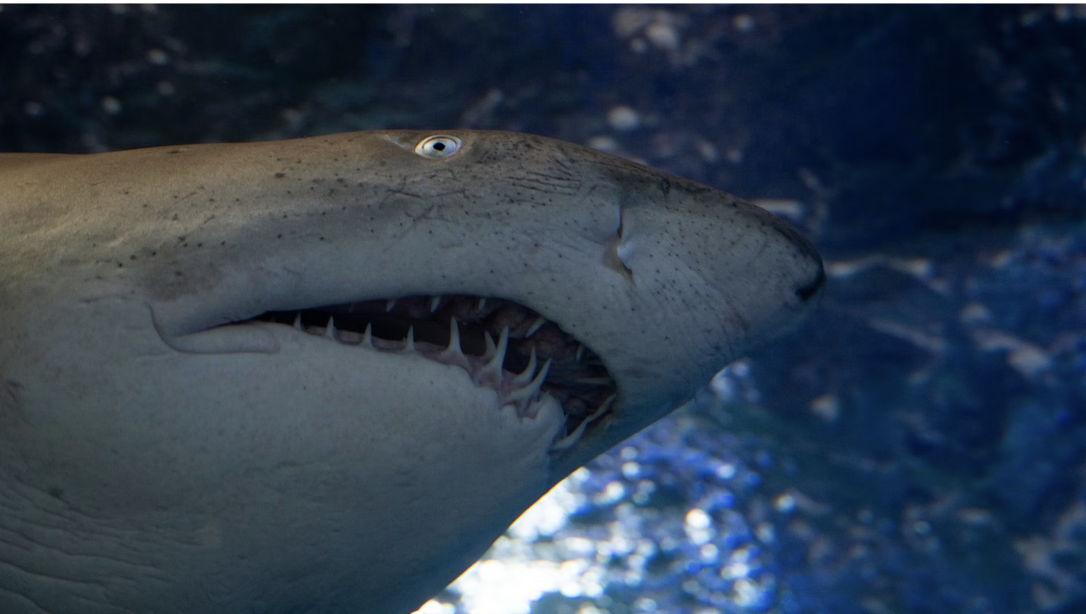
Sharks Are Not Just Jaws
Popular culture did serious damage to the public image of sharks. Cinema, viral clips, and tabloid headlines turned a whole group of animals into one blunt symbol of speed, teeth, and aggression. It is a clean image. It is also biologically lazy.
The reality is far less cinematic and far more interesting. A great white shark and a whale shark should not sit in the same mental category, yet that is exactly what mass fear keeps doing. One is a powerful apex predator tied to some of the most serious incidents involving humans. The other is a giant filter feeder better known for gliding past divers than chasing them.
That is why fear is a poor tool for understanding sharks. It compresses dozens of species into one emotional reaction and erases the details that actually matter: feeding habits, habitat, behavior, and how often a species truly comes into risky contact with people.
What Real Danger Actually Looks Like
A shark does not become dangerous because it looks dramatic. Real risk is usually assessed through a mix of documented bite records, feeding behavior, overlap with human activity, and the species’ typical response to disturbance. Size matters, of course, but size alone explains far less than people assume.
This is the line that often gets lost online. A viral video rewards spectacle, not context. A dorsal fin, choppy water, and panicked music can make almost any species look menacing, even when the animal involved has little history of serious attacks on humans.
A proper breakdown asks harder questions. Does this shark hunt large prey? Does it patrol shallow coastal waters where humans swim? Does it investigate movement and splashing? Has it been linked to repeated incidents in real records? Once those questions enter the frame, the picture sharpens very quickly.
The Big Three That Earned Their Reputation
When marine scientists and risk analysts discuss the species most associated with severe incidents, the conversation usually narrows to three names: the great white shark, the tiger shark, and the bull shark. They are not “evil.” That word belongs to fiction. But they do deserve their reputation more than most other species.
The bull shark is especially unsettling because of where it goes. Unlike many sharks that stay in marine environments, bull sharks can tolerate freshwater and move into estuaries, river mouths, and even inland systems. They also favor shallow water, which increases the odds of crossing paths with people in conditions where visibility is already poor.
Tiger sharks are dangerous for a different reason. They are opportunistic feeders with a broad diet and a reputation for investigating unfamiliar objects. That flexibility makes them less selective than many species, and when a large, curious predator makes the wrong call, the result can be severe.
Then there is the great white. It remains the most iconic shark on the list, partly because of media mythology and partly because the animal is genuinely formidable. Its body design, bite force, speed, and attack mechanics mean that even a mistaken predatory investigation can cause catastrophic injury. Great whites are not mindless hunters of humans, but when an error happens at that scale, the margin for survival narrows fast.
The Quiet Species That Break the Stereotype
Now the picture flips. Some of the largest sharks in the world are among the least threatening to humans, which should be enough on its own to dismantle the old “big equals deadly” reflex.
The whale shark is the clearest example. It is enormous, unmistakable, and built to filter-feed rather than hunt large prey. The basking shark tells a similar story. Its open mouth and massive silhouette can look alarming from a distance, yet its feeding strategy is passive, centered on plankton rather than pursuit.
Bottom-dwelling species add another layer to the discussion. Nurse sharks, for instance, are usually described as non-aggressive and often spend long periods resting on the seafloor. That does not make them harmless in every situation. A nurse shark can bite hard if provoked, cornered, or stepped on by a careless swimmer who mistakes calm behavior for permission to approach.
That is the distinction worth keeping. “Peaceful” does not mean “tame.” Even the least aggressive sharks remain wild marine animals, and distance is not just respectful. It is practical.
Why the Internet Keeps Making Sharks Look Worse
Fear spreads faster than nuance. That is one reason shark coverage skews so badly online. Rare attacks become global content within hours, while footage of harmless species cruising through open water rarely gets the same traction. Panic is clickable. Calm is not.
This distortion changes how people think. Instead of asking which species statistically pose the highest risk, audiences are pushed toward simpler and less useful questions: which shark is the scariest, which one is the most vicious, which one would “win.” Biology disappears. Drama takes over.
That same appetite for compressed tension explains why shark videos perform so well on mobile screens. They offer instant suspense, instant uncertainty, and a quick emotional payoff. The pattern is not unique to wildlife content. It also helps explain why a search for casino online bangladesh fits neatly into the rhythm of short-form digital leisure, where attention moves toward formats built on quick risk, fast feedback, and repeatable bursts of tension.
The interface matters too. Users now expect frictionless movement between streaming clips, documentaries, game content, and mobile entertainment. That expectation carries over to products built for short sessions on small screens, which is why melbet apk fits naturally into the same mobile-first behavior pattern: fast loading, simple navigation, and immediate access matter when digital habits are built around speed rather than ceremony.
What to Remember Before You Enter the Water
Beach safety is less about paranoia and more about reading conditions correctly. Avoid swimming at dawn or dusk, when visibility drops and predatory species may be more active. Stay out of murky water, especially in areas where fish are schooling or people are actively fishing.
Do not assume a calm shark is safe to approach. Touching, crowding, or trying to film an animal at close range is a common human mistake, not a sign of respect or confidence. Many incidents start with bad distance management rather than random aggression.
If a shark is nearby, the goal is not to thrash, scream, or create chaos. Exit the water as calmly as possible, keep the animal in view if you can, and avoid sudden splashing movements that may trigger further investigation. Most of the time, awareness does more than fear ever will.
The Real Lesson
The most dangerous sharks are dangerous for concrete biological reasons, not because they carry some built-in cinematic malice. The most peaceful sharks prove the opposite point just as clearly. Size does not automatically mean threat, and reputation does not always match behavior.
That is the real correction biology offers. Sharks are not one idea. They are a wide and varied group of species, and the gap between the most hazardous and the most harmless is far too large for lazy storytelling. Once that becomes clear, the old movie version starts to look exactly what it always was: entertainment, not evidence.