
51 reasons why JAWS is STILL the greatest movie ever made
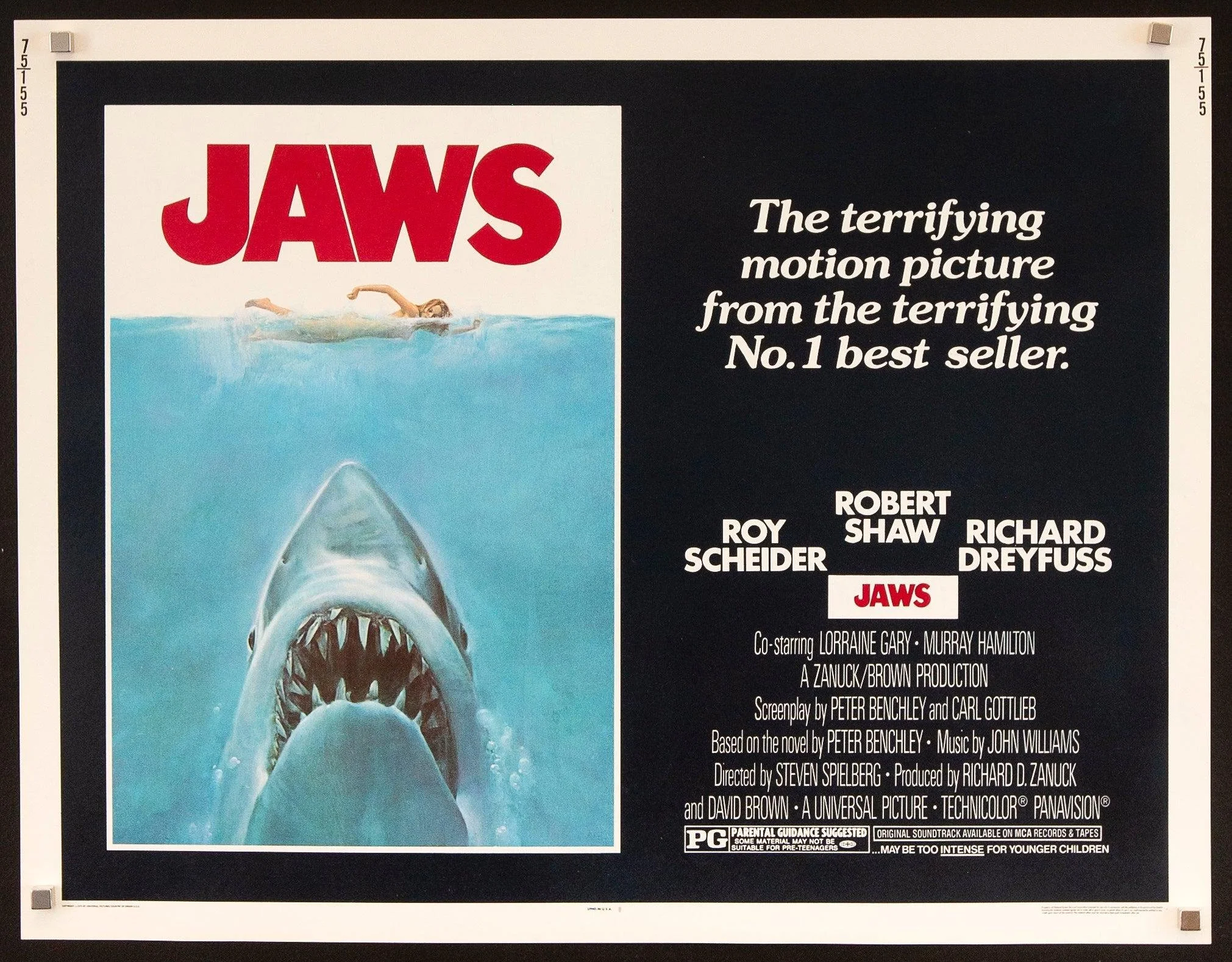
Almost every film fan has a candidate for the title of "greatest movie ever made." Some choose epics. Some choose intimate dramas. Some choose groundbreaking works of art that transformed the medium. Yet remarkably, Jaws manages to be all of those things at once.
Released in 1975 and directed by Steven Spielberg, Jaws is often remembered simply as "the shark movie." That description does it a tremendous disservice. Beneath its reputation as a thriller lies a film of astonishing craftsmanship: a character study, a suspense masterpiece, an adventure story, a cultural phenomenon, and a technical miracle.
Here are 51 expanded reasons why Jaws deserves a place at the very top of the cinematic mountain.
1. It works on virtually everyone
One of the greatest tests of a movie's quality is whether it can win over people who don't normally watch that type of film. Horror fans love Jaws. Adventure fans love it. Film scholars love it. Casual viewers love it. It can entertain a twelve-year-old seeing it for the first time and a seventy-year-old watching it for the fiftieth. Very few films possess that level of universal appeal.
2. The opening scene is one of the greatest ever filmed
Before we know any characters, before we understand the threat, Spielberg delivers a scene that immediately hooks the audience. The attack on Chrissie Watkins is terrifying because it feels chaotic and real. We never see the shark. We only see a young woman being pulled in impossible directions by something unseen beneath the water. The imagination fills in the rest.
3. Steven Spielberg directed it at an astonishingly young age
It's easy to forget that Spielberg was only twenty-seven years old when he made Jaws. Most directors spend decades learning how to build tension, manage performances, and orchestrate large-scale productions. Spielberg seemed to arrive already possessing those skills. The confidence of the filmmaking is remarkable.
4. It created the modern summer blockbuster
Before Jaws, studios did not think about summer movie releases the way they do today. The film's massive success changed Hollywood economics forever. Every major summer tentpole—from superhero movies to giant franchise spectacles—owes something to Jaws.
5. The shark's limited screen time makes it scarier
Many filmmakers would have shown the monster constantly. Spielberg couldn't. The mechanical shark kept breaking. The result was one of the happiest accidents in film history. Because the shark remains largely unseen, audiences spend most of the movie imagining it. What we imagine is almost always more frightening than what we see.
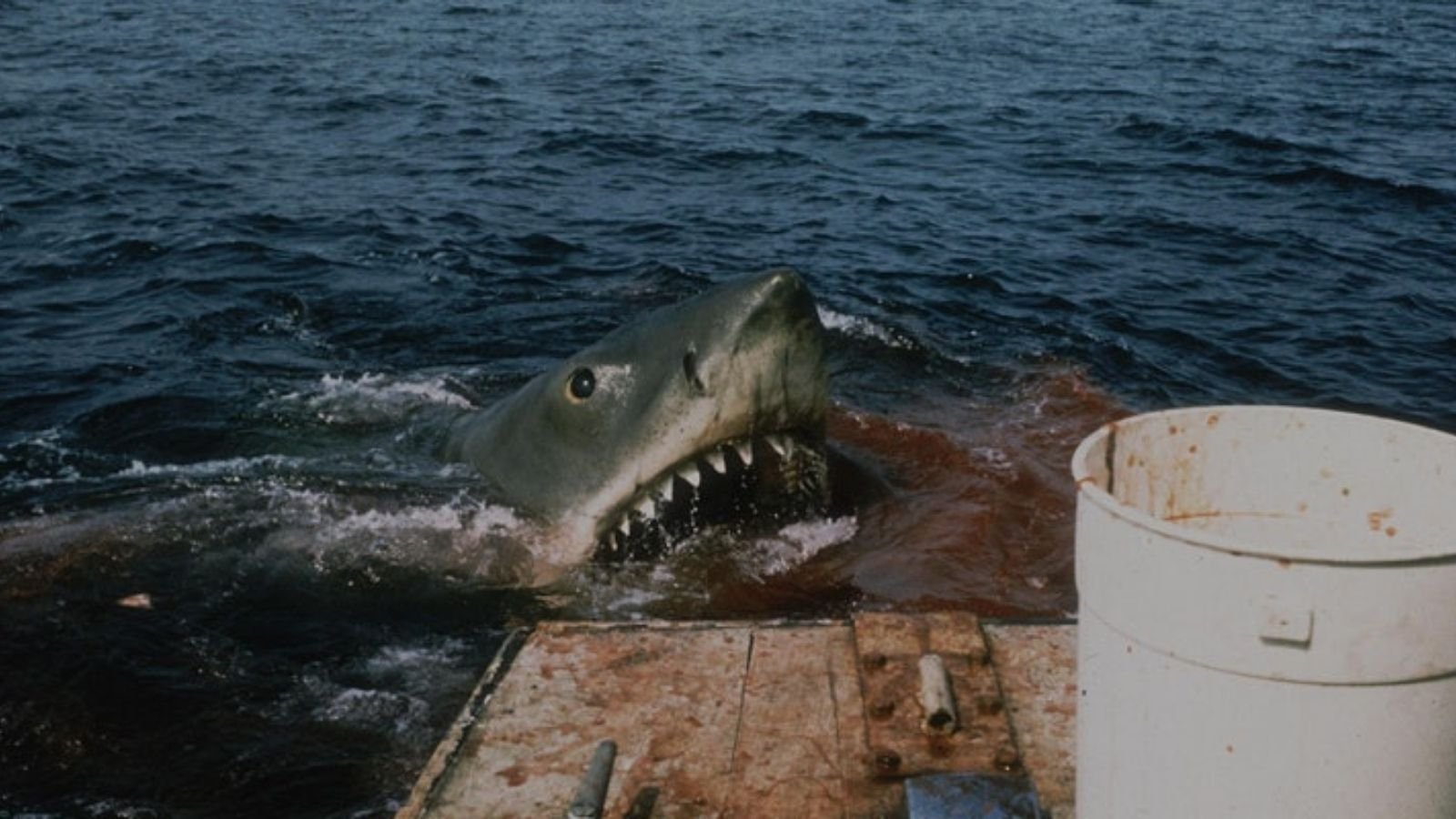
6. Technical problems became artistic advantages
The production was famously plagued by delays, breakdowns, and budget overruns. Yet those problems forced creative solutions. The filmmakers had to suggest danger rather than show it. The movie became more suspenseful because it couldn't rely on visual effects.
7. John Williams composed the perfect score
The famous two-note motif has become part of global culture. It is simple, primal, and unforgettable. More importantly, it functions brilliantly within the film itself. Williams turns music into a predator. The score doesn't merely accompany the shark—it becomes the shark.
8. It creates genuine dread
Many movies can startle audiences. Far fewer can create sustained anxiety. Jaws generates a constant feeling of unease. Every splash becomes suspicious. Every swimmer becomes vulnerable. The audience remains tense even during scenes of relative calm.
9. Martin Brody is an every man hero
Chief Brody is not an action hero. He isn't especially tough, glamorous, or fearless. He's a decent man trying to do the right thing. His ordinariness makes him relatable. When he succeeds, it feels inspiring because he resembles the audience.
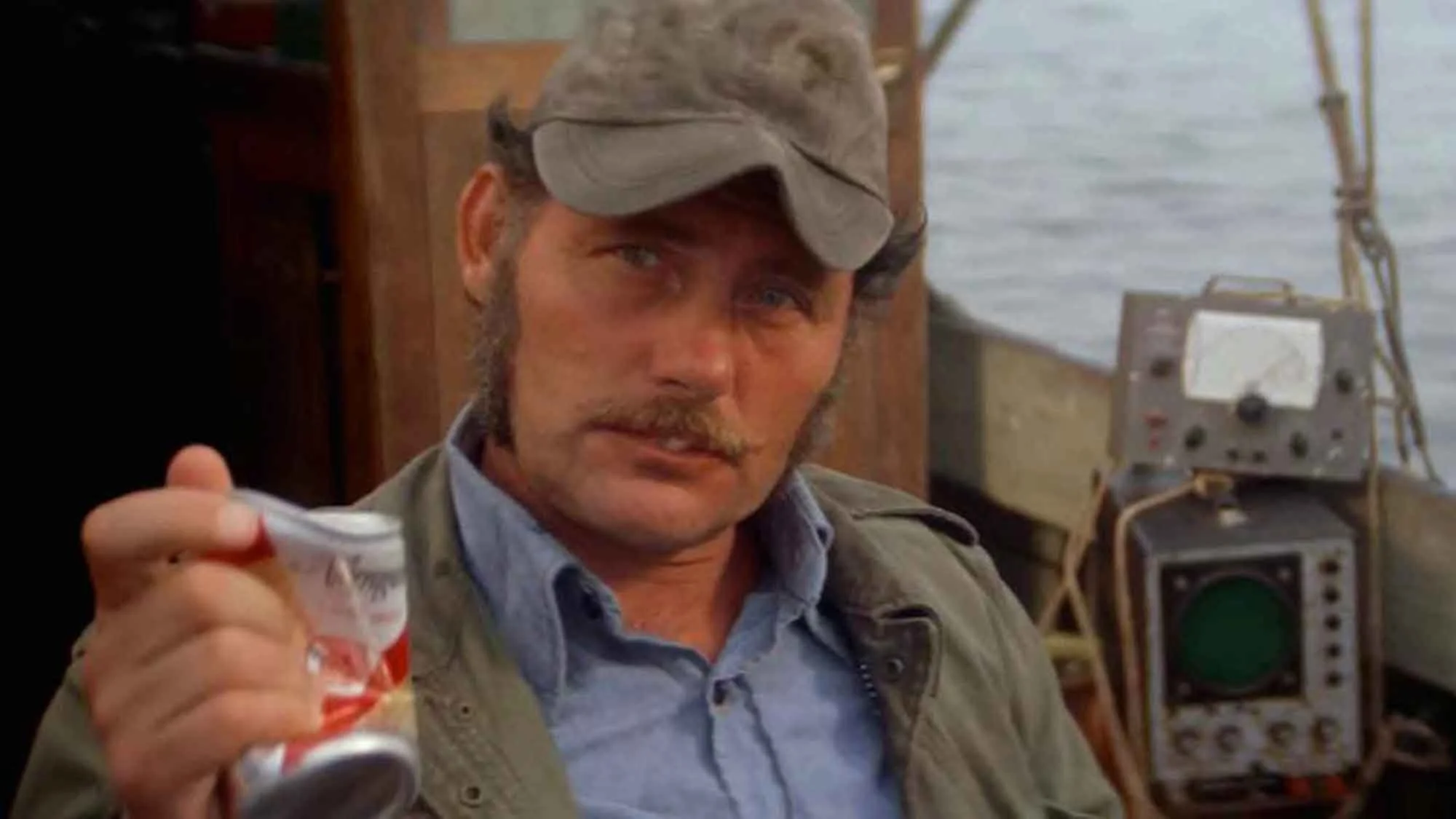
10. Quint is one of cinema's greatest characters
Robert Shaw's Quint feels larger than life without becoming unbelievable. He's stubborn, obsessed, funny, intimidating, tragic, and endlessly fascinating. Every line he speaks reveals another layer of his personality.
11. Hooper brings intelligence and enthusiasm
Richard Dreyfuss gives the film a vital energy. Hooper's scientific curiosity and youthful excitement provide a wonderful contrast to Quint's hardened cynicism. The tension between expertise and experience becomes one of the movie's most compelling dynamics.
12. The three leads have extraordinary chemistry
Many films feature memorable individual performances. Fewer feature three actors who elevate one another in every scene. Scheider, Shaw, and Dreyfuss create a dynamic that feels completely natural.
13. It features an all-time great character trio
Brody, Quint, and Hooper each represent different approaches to confronting danger. Together they create a dramatic balance that drives the entire film. Their interactions remain endlessly entertaining.
14. The USS Indianapolis speech is legendary
Robert Shaw's monologue about surviving the sinking of the USS Indianapolis may be the finest speech in movie history. It transforms Quint from an entertaining eccentric into a deeply wounded man. In just a few minutes, the film acquires an entirely new emotional dimension.
15. The dialogue is exceptionally written
Every character sounds distinct. Conversations feel natural without becoming mundane. The script is packed with memorable lines, yet none feel forced. Quotability emerges organically from character.
16. Amity Island feels real
Many fictional communities exist only to serve a plot. Amity feels lived-in. The town has an economy, social hierarchy, traditions, and concerns that extend beyond the shark attacks.
17. The supporting cast matters
Whether it's Brody's family, local fishermen, town officials, or beachgoers, everyone contributes to the sense that Amity is a functioning community. Even minor characters leave an impression.
18. The Mayor is surprisingly complex
Mayor Vaughn isn't evil. He's trapped between economic necessity and public safety. His decisions are frustrating but understandable. The film avoids simplistic villains.
19. The political themes remain relevant
The conflict between public welfare and economic pressure is timeless. The movie's portrayal of leaders ignoring warnings because of financial concerns feels as relevant today as it did in 1975.
20. The pacing is remarkable
The film never feels rushed or slow. It takes time to establish characters, then steadily tightens the screws. Every sequence arrives at precisely the right moment.
21. Every scene serves a purpose
There is almost no wasted material. Character moments advance relationships. Exposition builds tension. Humor deepens audience investment. The screenplay is a model of efficiency.
22. It rewards repeat viewings
On first viewing, audiences focus on the shark. On subsequent viewings, they notice the performances, visual storytelling, editing choices, and thematic richness. Great films reveal more over time, and Jaws certainly does.
23. The cinematography is beautiful
The ocean is photographed as both paradise and nightmare. Sunlit beaches coexist with dark, unknowable depths. The imagery constantly reminds us how thin the line is between safety and danger.
24. The dolly zoom is perfectly used
The famous shot of Brody realizing another attack may be underway is often imitated but rarely matched. It visually communicates shock and dread in a single unforgettable image.
25. The editing builds suspense masterfully
Editor Verna Fields deserved every bit of acclaim she received. The rhythm of the film creates tension through timing, anticipation, and carefully controlled information.

Verna Fields won Best Editing at the 1976 Academy Awards for JAWS
26. The shark's perspective is brilliant
Simple underwater tracking shots transform the audience into predators. Suddenly viewers become participants in the hunt rather than observers.
27. It understands the psychology of fear
The film recognizes that fear comes from uncertainty. We dread what might happen more than what is happening. Spielberg exploits this truth brilliantly.
28. The beach sequences are masterclasses in tension
Crowds should feel safe. In Jaws, crowds become terrifying because danger can emerge anywhere. Spielberg constantly directs our attention toward potential threats.
29. It made water scary
This achievement cannot be overstated. Millions of people became nervous about swimming after seeing the film. Turning a universal leisure activity into a source of anxiety requires extraordinary filmmaking.
30. It evolves across genres
The movie begins as a mystery, becomes a horror film, develops into a drama, and concludes as a seafaring adventure. The transitions feel seamless.
31. It is genuinely funny
The humor provides relief without undermining tension. Character-based comedy enriches the story rather than distracting from it.
32. The Orca becomes a character
Quint's boat possesses its own personality. As the vessel gradually deteriorates, audiences feel the danger escalating. The Orca's fate becomes emotionally significant.
33. The production story is almost as good as the movie
The making of Jaws has become legendary because the obstacles were so enormous. The fact that such a polished masterpiece emerged from chaos only enhances appreciation for it.
34. Real ocean locations add authenticity
Filming on the ocean introduced endless difficulties, but it also gave the movie a realism impossible to fake. The sea feels unpredictable because it genuinely was.

35. The stakes are instantly understandable
A giant shark is attacking people. Everyone understands the threat immediately. The simplicity of the premise allows for extraordinary depth in execution.
36. The third act delivers completely
Many movies build suspense effectively but disappoint in the finale. Jaws does the opposite. The final hunt exceeds expectations.
37. The shark becomes mythic
Although it remains a biological creature, the shark acquires symbolic weight. It becomes an embodiment of nature's indifference and humanity's vulnerability.
38. Delayed gratification makes the payoff stronger
By withholding the shark, the film increases anticipation. When the creature finally appears in full, the moment lands with enormous impact.
39. The underwater head scare still works
Audiences know it's coming. They brace for it. They still jump. That is the mark of a perfectly executed scare.
40. It respects the audience
The film trusts viewers to pay attention. It avoids excessive exposition and allows information to emerge naturally.
41. Its themes are universal
Fear. Responsibility. Courage. Pride. Obsession. Survival. Community. These themes resonate across cultures and generations.
42. Its influence is everywhere
Modern thrillers, blockbusters, creature features, and adventure films continue to borrow techniques pioneered or perfected by Jaws.
43. It is endlessly rewatchable
Some great films feel like homework after the first viewing. Jaws remains entertaining every single time.
44. The final battle is deeply satisfying
The climax is thrilling because it grows directly from character decisions and escalating stakes. Nothing feels arbitrary.
45. It has a human heart
At its core, this is a story about a man trying to protect his family and community. That emotional foundation gives the spectacle meaning.
46. Brody's Character Arc Is Perfect
He begins as a reluctant outsider who fears the water. He ends by confronting the ocean and defeating its greatest threat. It's a classic heroic journey executed flawlessly.
47. It Has Aged Better Than Most Classics
Many films require viewers to make allowances for changing tastes or technology. Jaws remains remarkably fresh.
48. It Represents Spielberg's Greatest Strengths
His gift for visual storytelling, emotional accessibility, suspense, humor, and wonder are all present in concentrated form.
49. It Balances Art and Entertainment
Some films are artistically brilliant but emotionally distant. Others are entertaining but shallow. Jaws achieves both sophistication and accessibility.
50. Its Cultural Impact Is Immense
Few movies have influenced language, marketing, tourism, filmmaking, and popular culture as profoundly as Jaws. It became more than a movie—it became a shared cultural experience.
51. Because It Excels at Every Aspect of Filmmaking
If cinema is the combination of directing, acting, writing, editing, music, cinematography, pacing, character, emotion, and spectacle, then Jaws stands among the rare films that achieve excellence in every category. It is difficult to identify a meaningful weakness. Nearly fifty years later, audiences still laugh, gasp, cheer, quote lines, debate interpretations, and revisit the film with enthusiasm.
That enduring power is perhaps the strongest argument of all. Great movies survive. Masterpieces endure. Jaws does both.
And every time that familiar two-note theme begins to play, we are reminded why.
If you're really aiming for a definitive celebration of Jaws, this could be expanded much further—into a 5,000–8,000 word feature with historical context, production stories, scene-by-scene analysis, comparisons with The Godfather, Citizen Kane, and Star Wars, and a concluding argument for why Jaws may be the most perfectly constructed mainstream film ever made.
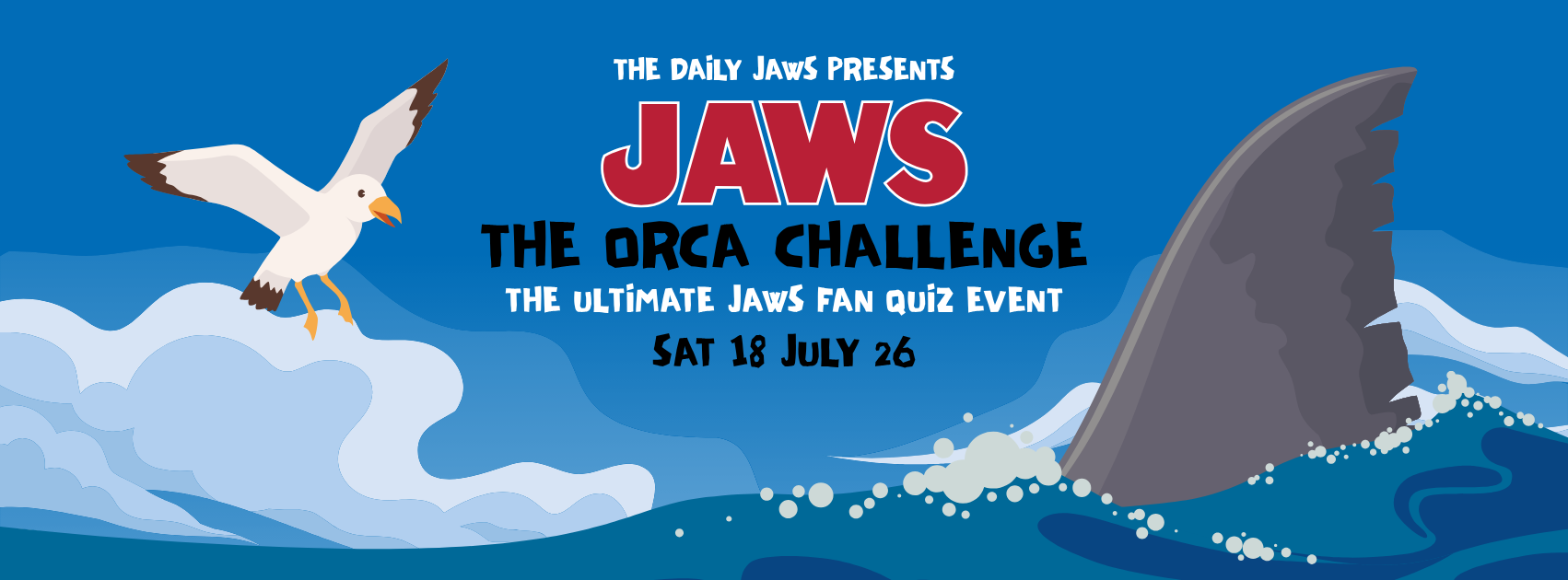
Think you know JAWS?
Grab your crew or swim solo and join us on 18 July for the chance to win over $3000 of prizes!
If you would like to write for The Daily Jaws, please visit our ‘work with us’ page
For all the latest Jaws, shark and shark movie news, follow The Daily Jaws on Instagram, Twitter and Facebook.